
History of Sedbergh School in 50 Objects #42: Carus House and the merger with Casterton


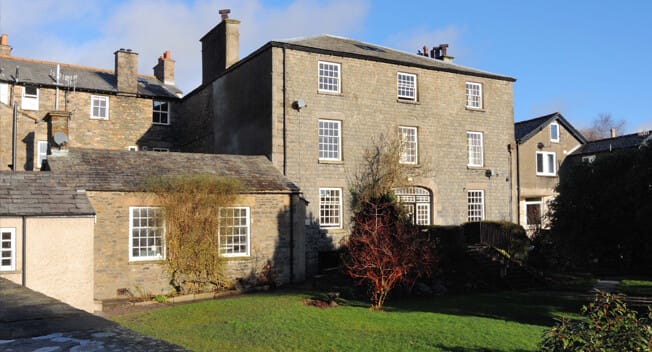
Carus House, Sedbergh’s third girls’ house, has a unique history. In fact, it has two: one belonging to its buildings, and another to its identity as a boarding house.
The buildings that make up Carus House have served many purposes over the years: the residence of a retired Sedbergh School headmaster, an independent prep school, staff accommodation, and later Sedbergh School’s own junior boarding, with separate facilities for boys and girls. The boarding house “Carus,” however, has its origins elsewhere.
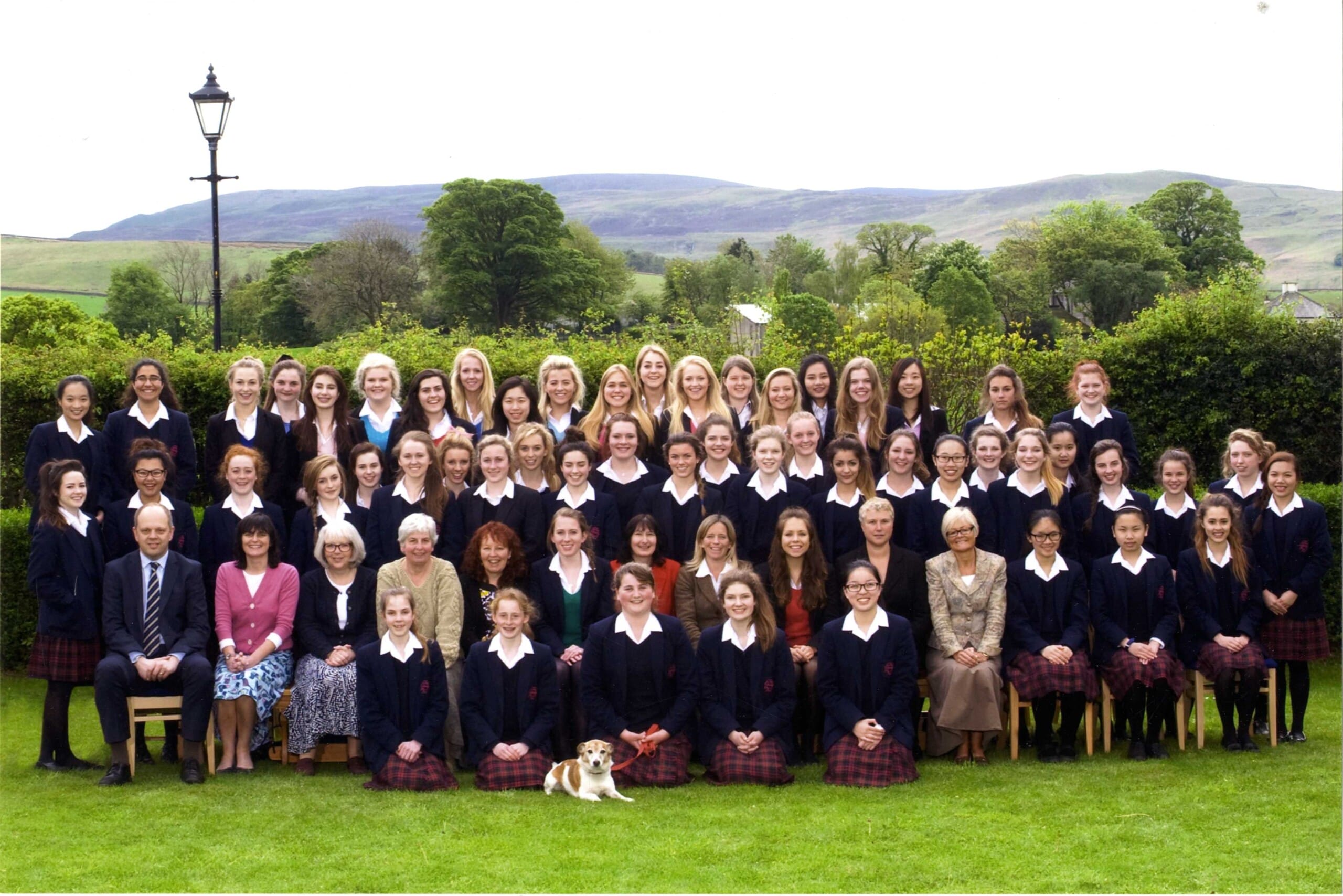
When Sedbergh School merged with Casterton in 2013, the pioneering girls who moved up the road from Casterton were invited to choose the name of their new house. As they came from several former Casterton houses, they decided not to favour the name of one former house over another. Instead, they chose the name “Carus House” in honour of Casterton’s founder, William Carus Wilson.
Any merger brings uncertainty, and careful thought was given to how the announcement would be communicated to staff, pupils, parents, and alumni. On 26 February 2013, Sedbergh’s Common Room staff gathered at 7.30am to hear the news directly from the Chairman of Governors, Mr Blair, who outlined the plans for both sites and the integration of staff. Pupils were informed in morning assembly, while parents received an email and information booklet, and Old Sedberghians were contacted by email. Equivalent communications took place at Casterton.
Casterton girls naturally had many questions about their new school. A delegation of Sedbergh staff, led by Senior Mistress Mrs S. Wallace-Woodroffe, spent considerable time at Casterton explaining the details of Sedbergh life: the timetable, site layout, and the wide range of opportunities in sport, music, drama, and other activities. She made it a priority to dispel fears that Sedbergh was simply a “boys’ sports school” and instead highlighted the breadth of opportunities available. Some Casterton parents, who had deliberately chosen a single-sex school for their daughters, expressed understandable concerns, but staff from both schools worked hard to reassure them.
As senior girls from Casterton moved up to the Sedbergh site in September 2013, Sedbergh Junior School relocated to the Casterton site, reopening as Casterton, Sedbergh Prep School. With 150 pupils at its launch, it grew quickly to fill the site. The Prep School offered the rare combination of high-level prep education with senior-school-standard facilities, including a swimming pool, food technology rooms, and a well-equipped art, design and technology department.
For girls moving from Casterton to Sedbergh part way through their GCSE or A-Level courses, “legacy classes” were provided to ensure continuity of subjects that weren’t usually taught at Sedbergh. Food Science for example, was taught for these pupils for one year to complete their course criteria. Psychology proved a hit and so remained part of Sedbergh’s curriculum.
In summer 2014, a bright and spacious new extension—Brackensghyll—opened, providing a kitchen, dining hall, library, offices, and common rooms for Carus girls and staff.
Sedbergh staff worked closely with Carus girls to familiarise them with Sedbergh’s distinctive vocabulary and customs. The girls who chose to make the move were a self-selecting group, eager to embrace both the opportunities and challenges of a Sedbergh education. They rose to the occasion superbly, and Carus soon established itself as the loyal, competitive, and vibrant house it remains today.