
Academic Disciplines

At Sedbergh, subjects are not treated simply as courses to be completed, but as disciplines that shape the way pupils think. Each area of study develops distinct habits of mind — whether analytical precision, ethical judgement, creative interpretation or scientific reasoning. In a non-selective yet ambitious environment, pupils are challenged and supported to engage deeply with ideas, building intellectual confidence that extends far beyond examination success.

Visit Enquire about places

Biology

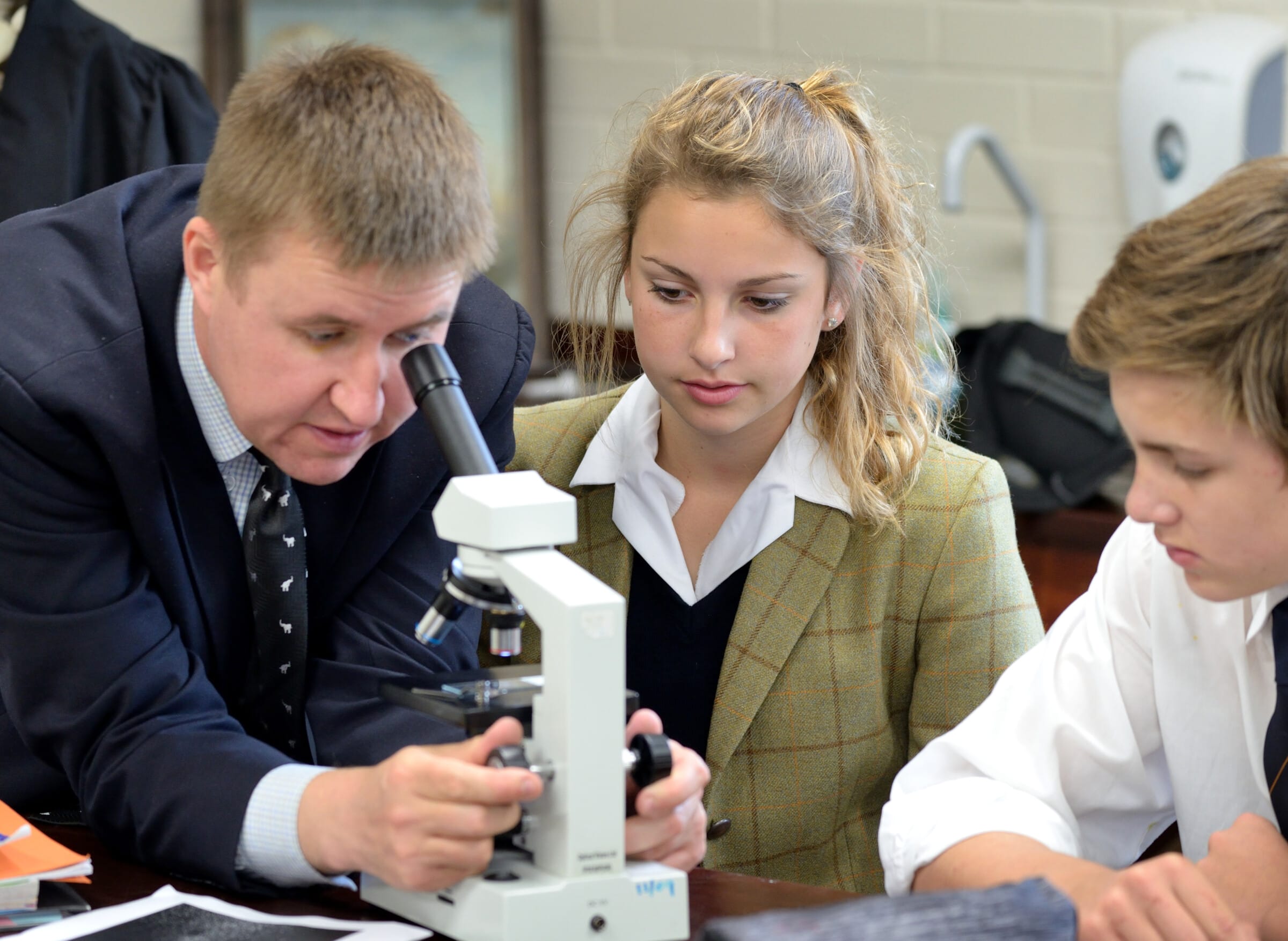
“The Sedbergh environment is a really powerful one. The landscape comes into the classroom, and then we go out into it as well. Studying science is a particular way of thinking. It allows you to handle information, data and, importantly, to think critically.” Dr Alisdair McMeechan, Head of Biology

Biology at Sedbergh helps pupils understand the living world at every scale, from cells and molecules to ecosystems and environmental change. It is a rigorous and knowledge-rich discipline that also develops practical, analytical and evaluative skills. Pupils learn to handle data, communicate ideas clearly and think critically about real-world scientific issues. Sedbergh’s setting adds a distinctive dimension, with the natural environment close at hand for fieldwork and ecological study. Whether pupils go on to medicine, biological sciences or other fields, Biology provides a strong academic foundation and a highly transferable way of thinking.
Economics & Business

“Pupils are encouraged to be curious and explore ideas beyond the classroom. Smaller class sizes make real discussions possible instead of just one-way teaching. The boarding environment also gives pupils many chances to keep debating topics like government policy, entrepreneurship, or global markets.” Mr Tom Robinson, Head of Economics & Business

At Sedbergh, Economics and Business are taught as analytical disciplines rooted in evidence, data and reasoned judgement. Pupils are challenged to question assumptions, weigh trade-offs and evaluate decisions with intellectual rigour, moving beyond diagrams and terminology to genuine understanding. Within small classes and a strong boarding culture, debate continues well beyond the lesson — allowing pupils to test ideas, explore uncertainty and refine their thinking in real-world contexts. In a supportive, but ambitious environment, pupils develop the confidence to interpret change rather than simply react to it, building the critical judgement and decision-making skills that prepare them for university, leadership and an evolving global economy.

Geography

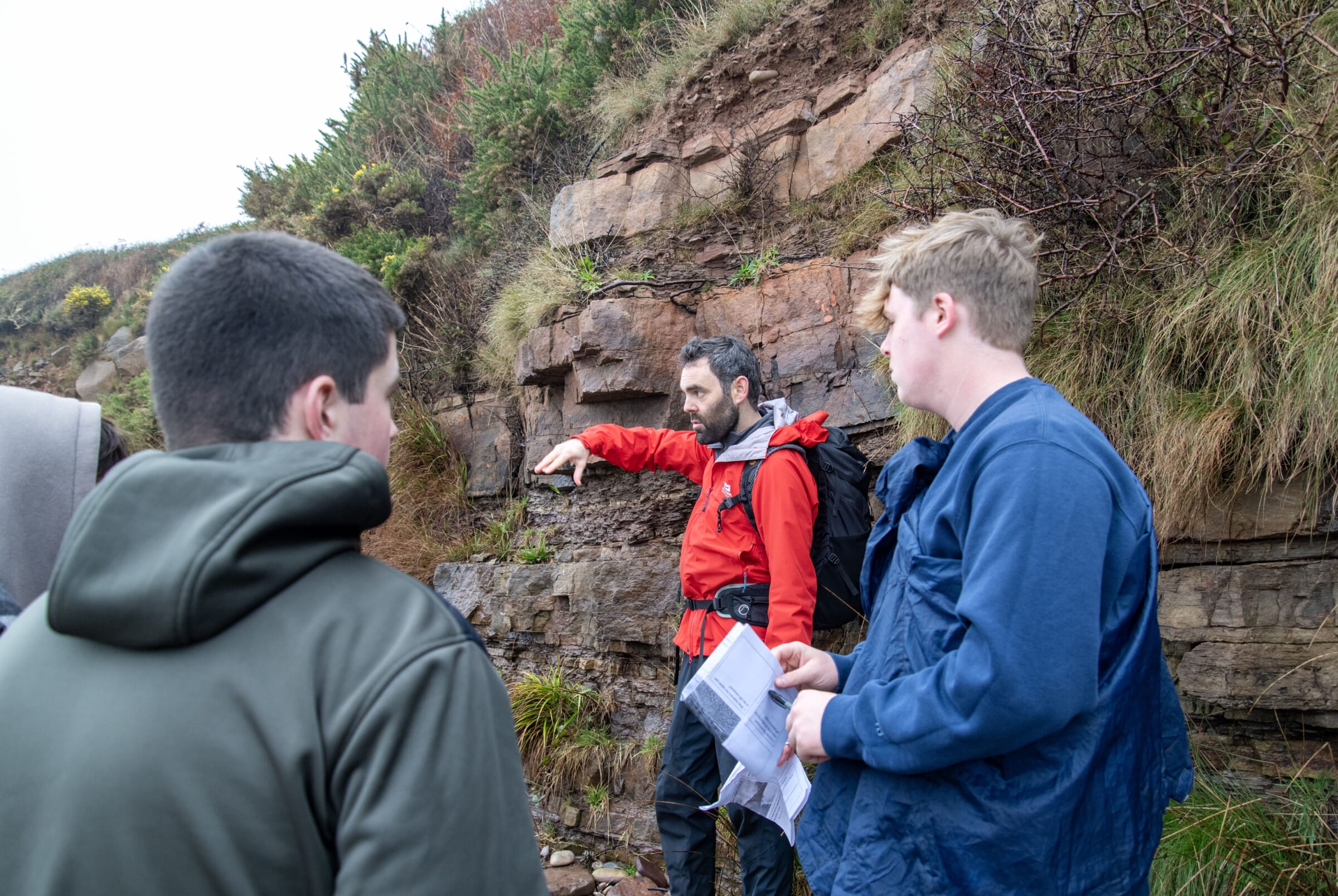
“Teaching geography at Sedbergh is special because the landscapes we study are right on our doorstep. Pupils can step into the Dales and see the processes we discuss in the classroom unfolding in the real world, which brings the subject to life. It’s a powerful way to inspire curiosity about the world far beyond Sedbergh.” Mr Iain Winterbottom, Head of Geography

Geography sits at the crossroads of the arts and sciences, combining analytical thinking with creativity and debate. It connects the physical processes shaping our planet with the real-life issues affecting people today. At Sedbergh, lessons are dynamic and discussion-led, exploring real-world case studies and current global events while developing independent research and critical thinking. Geography also opens pathways into many exciting careers, including sustainability and climate change, urban planning, energy, disaster management, global development, business, law, and international relations. Many pupils go on to study geography at university, and geographers are consistently among the most employable graduates.

History

“History matters because it helps our pupils understand the world they are growing up in. By exploring how people, ideas, and events have shaped societies over time, pupils develop the ability to question evidence, think critically, and form balanced judgements. This is even more important in an increasingly A I dominated workplace. I would like pupils to leave Sedbergh with the confidence to analyse complex issues, challenge assumptions, and see the bigger picture. At its heart, studying History equips young people not only to understand the past, but to navigate the future with perspective.” Mr Rupert Follett, Head of History

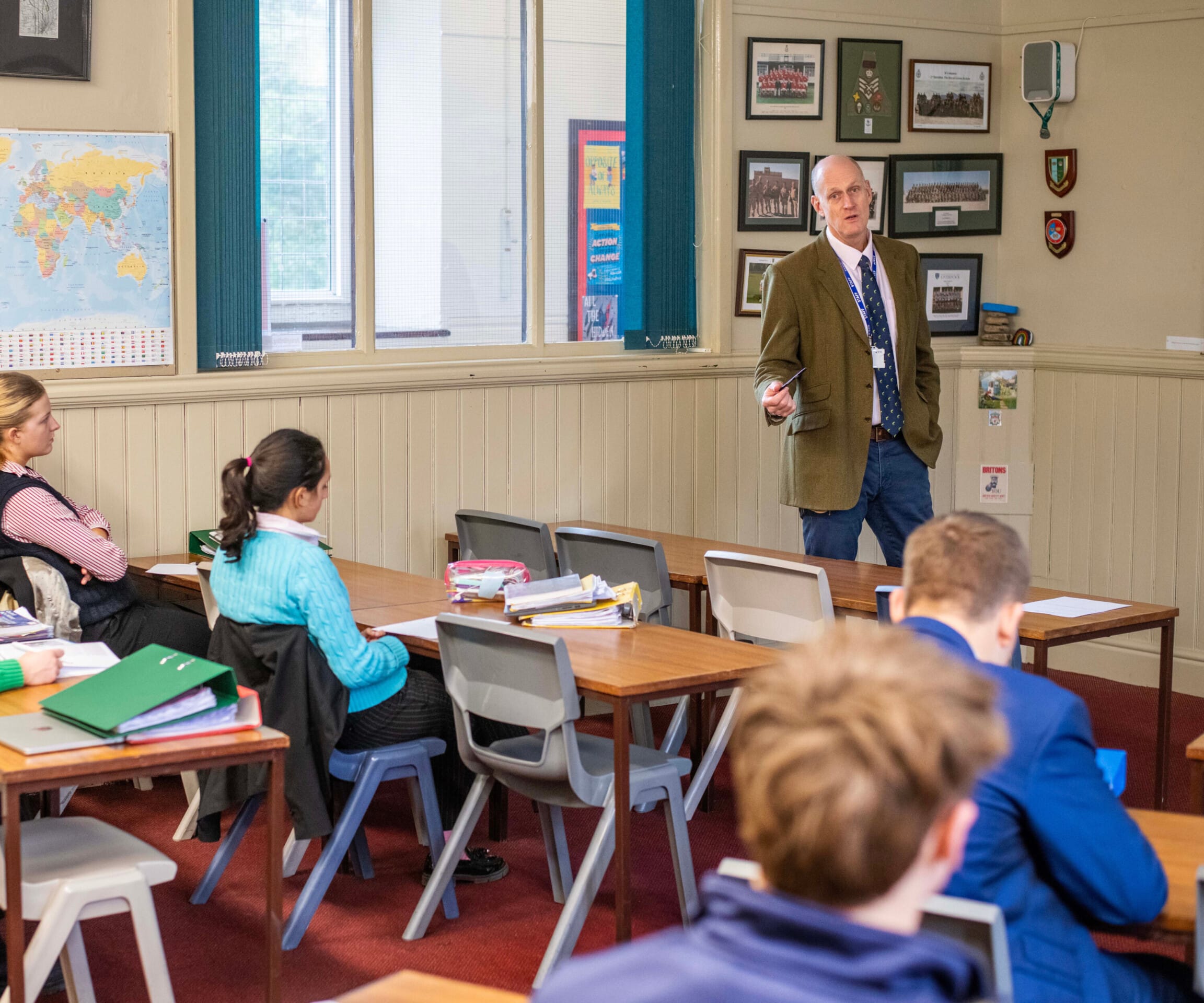
History at Sedbergh encourages pupils to explore the forces that have shaped the world and to question how and why societies change. Year 9s start with a study of Sedbergh School which helps them understand the environment in which they are about to spend their formative years. The GCSE and A Level syllabus is modern and international. Pupils’ parents and grandparents often comment ‘I remember when that happened’, for example the collapse of the Berlin Wall and the 9/11 attacks. The Year 11 Battlefields trip to France and Belgium helps bring History to life and has been a consistently favourite school trip. The common is misconception is that History is rote learning dates for use in endless essays. Our classes enjoy lively discussion chaired by experienced teachers and thoughtful analysis. This helps Sedberghians develop the intellectual independence needed for exam success and beyond.

Mathematics

“We want pupils to think like mathematicians, not simply complete questions.” Mr Dafydd Roberts-Harry, Head of Mathematics

At Sedbergh, Mathematics is taught as a way of thinking, not just a series of techniques to memorise. Mr Roberts-Harry draws on the extended day and boarding culture to give pupils the time and support to explore concepts deeply — in lessons, in early morning sessions and in informal discussions that extend beyond the classroom. This environment allows teachers to challenge pupils to reason rigorously, embrace difficulty and build confidence in their own thinking, regardless of where they started. In a non-selective setting where expectations are high and support is abundant, pupils learn to see problem-solving as purposeful inquiry. These habits not only bolster examination performance, but equip pupils with analytical skills and resilience that serve them in further study and future decision-making.

Physics

“What excites me most about teaching Physics — even after twenty years — is that it is not a finished subject. It is alive. It is still evolving.” Mr Mark Appleton, Head of Physics

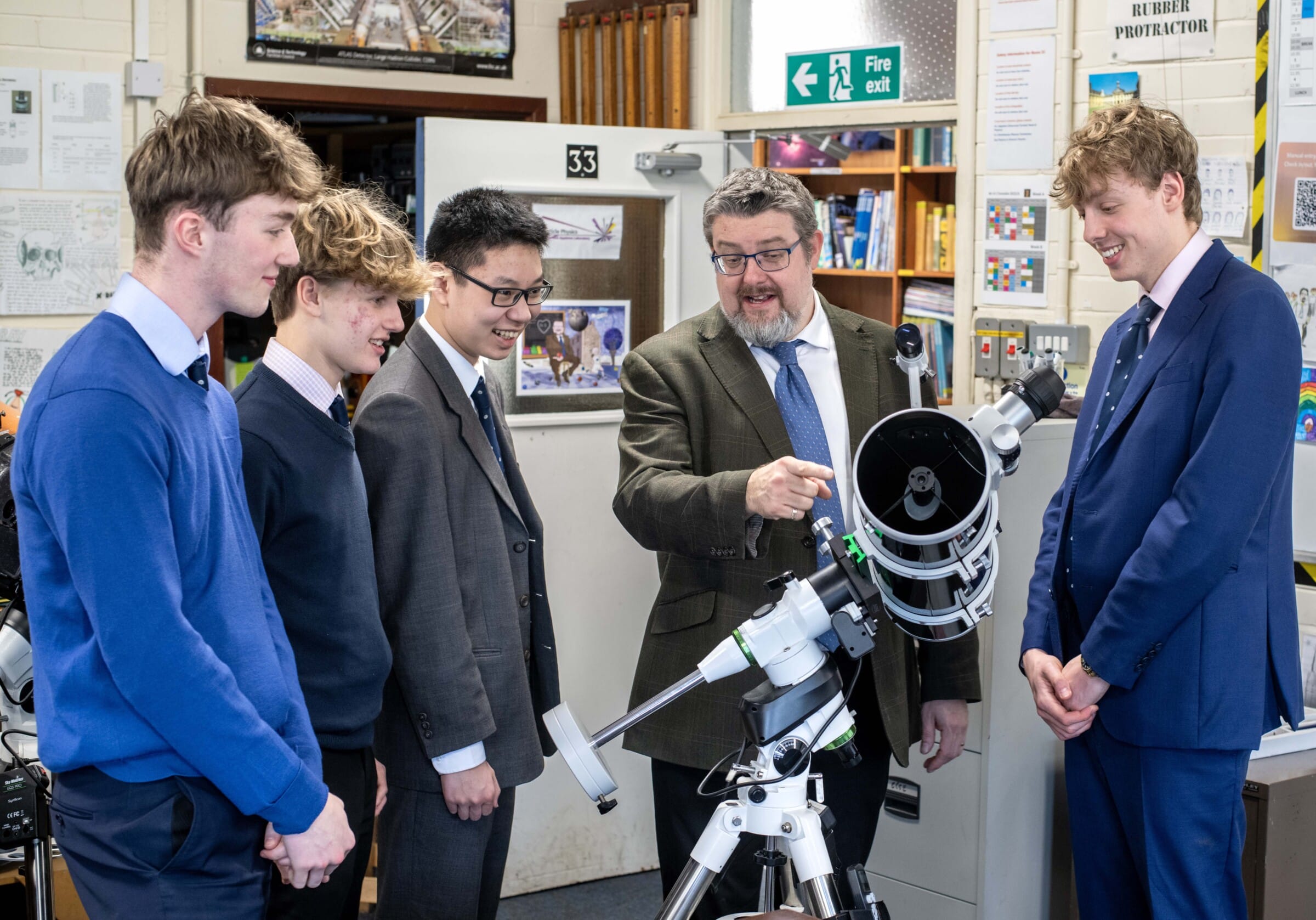
At Sedbergh, Physics is taught not as a fixed body of facts, but as a living discipline that challenges pupils to think deeply about how the universe works. Mr Appleton believes that “Physics is not about being quick. It is about being thoughtful,” and this perspective shapes how pupils engage with the subject — embracing uncertainty, testing assumptions and developing logical reasoning. With access to structured practical resources, observational programmes and a culture that values inquiry, pupils grow in intellectual confidence, resilience and analytical rigour. Studying Physics at Sedbergh equips young people with transferable habits of mind that support them in further study, in leadership and in the complex decision-making of life beyond school.

Psychology

“Pupils will leave the course with the ability to apply the skills to whatever walk of life they follow.” Mr Paul Lucas, Head of Psychology

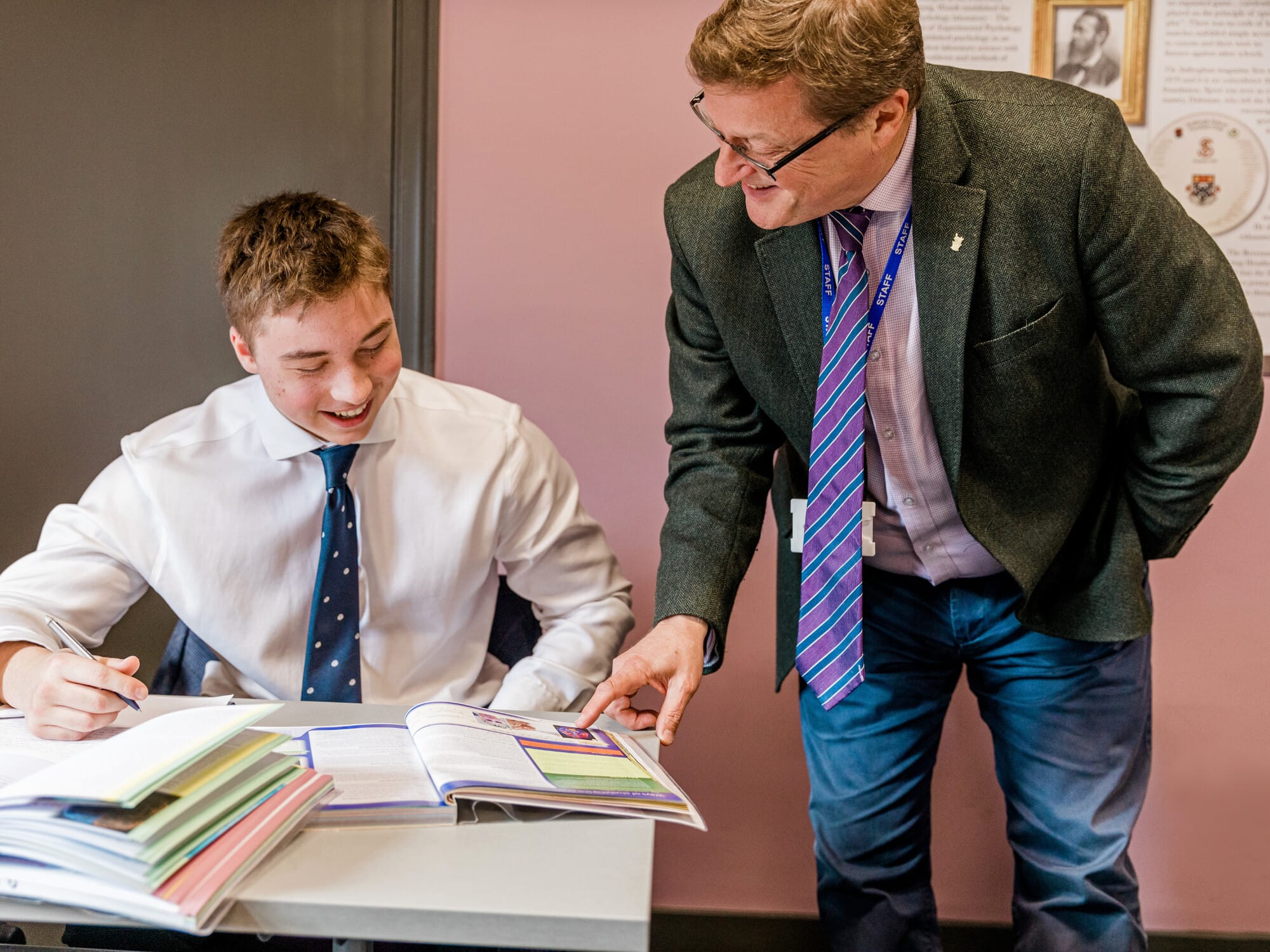
At Sedbergh, the extended school day and full boarding environment allow Psychology to be explored with genuine depth. Mr Paul Lucas, Head of Psychology, moves beyond delivering content to create space for reflection, discussion and rigorous evaluation. Early morning clinics, accessible support and a culture that encourages pupils to question confidently mean learning continues well beyond the classroom. In a non-selective yet ambitious environment, pupils are stretched and supported in equal measure, developing the confidence to evaluate evidence, challenge assumptions and trust their own reasoning. These habits of mind not only strengthen examination performance, but prepare pupils for university study and the complex decisions they will face in adult life.

EAL

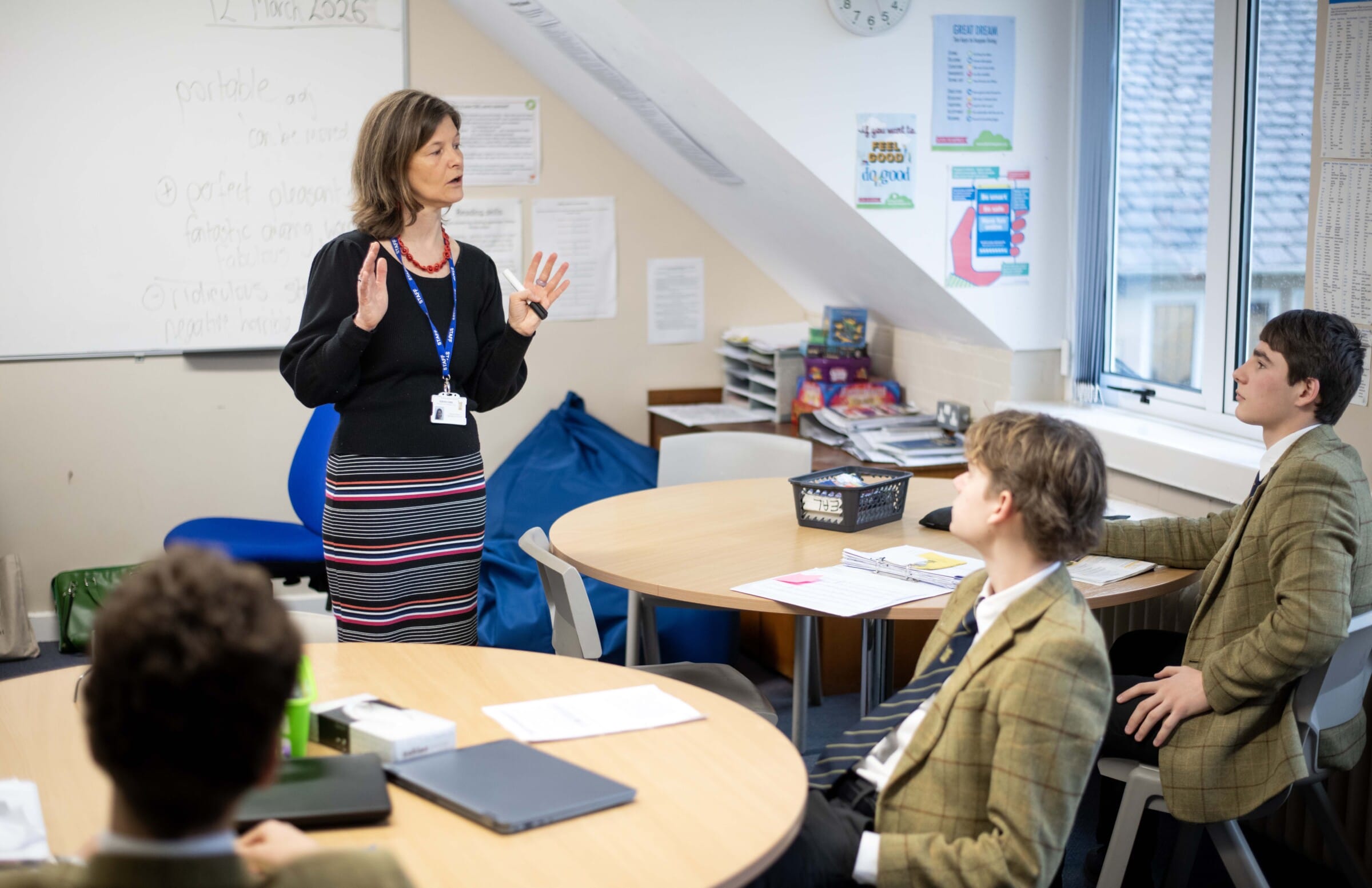
“We often see pupils’ confidence in spoken English develop very quickly—sometimes within just a few weeks. The boarding environment plays a significant role in accelerating this progress. What makes the biggest difference is the environment around them: EAL teachers, subject teachers, House staff, other pupils and sports coaches all contribute to that development.” Mrs Catherine Bettney, Head of EAL

EAL support at Sedbergh is tailored to each pupil’s level of English. As pupils develop, they move flexibly between EAL and mainstream classes to ensure they are both supported and challenged. Our focus is practical and academic: developing spoken confidence, subject-specific vocabulary, and the ability to structure written responses. Progress is typically rapid. We are a full-boarding school, and because pupils are immersed in English throughout the whole day, every day—within lessons, in boarding houses, through sport and daily life—both social and academic language development are accelerated.


VISIT PROSPECTUS ENQUIRE
x