
Andy Brown (OS) talks about courage, service and the ends of the Earth


By Dr Philip Hoskin
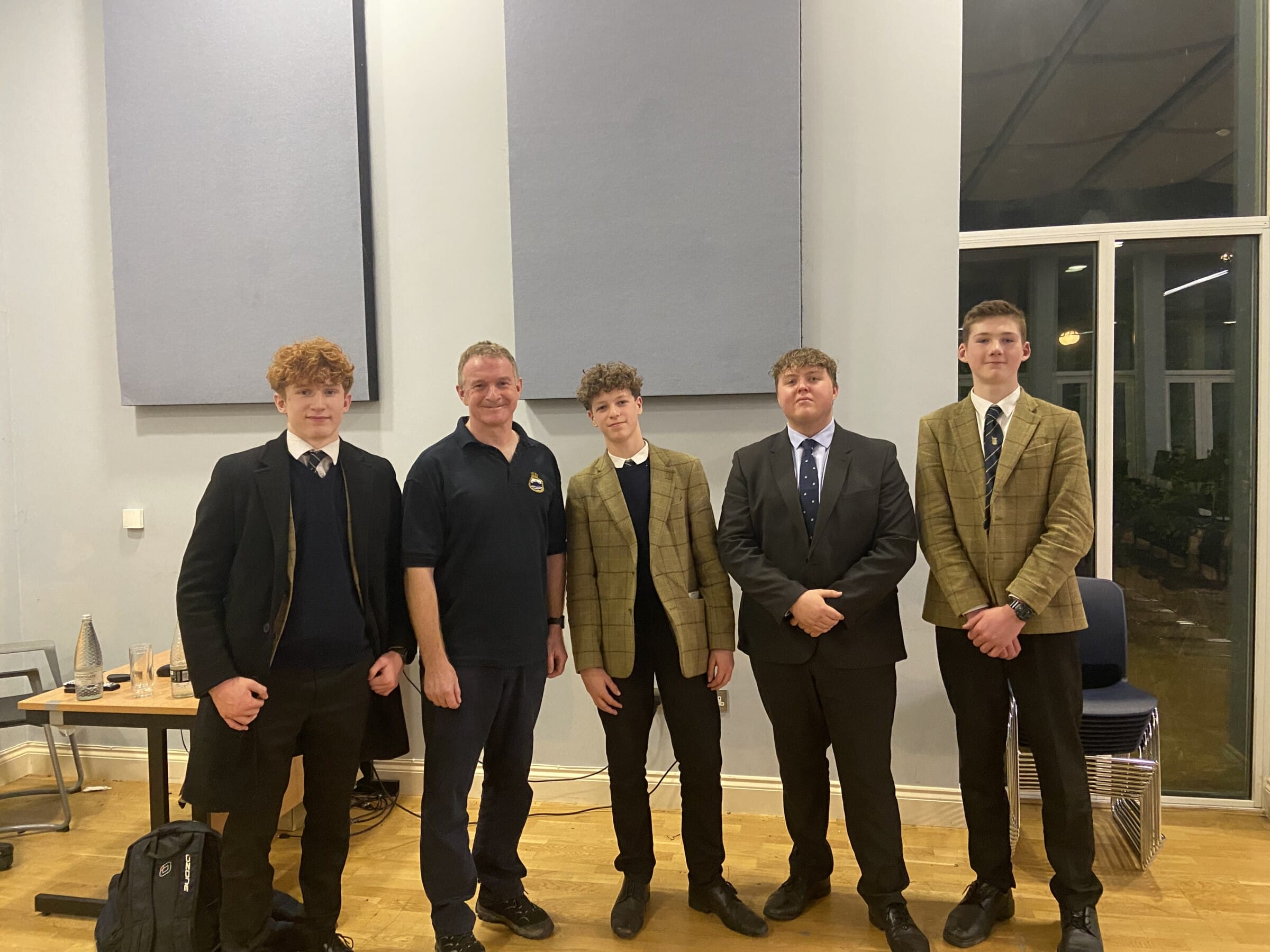
On Friday 28th November, Sedbergh School was privileged to welcome back Old Sedberghian, Surgeon Commander Andy Brown for the final SedInspire lecture of this calendar year and the quincentenary celebration. Andy is a speaker whose life story, achievements, and humility embody the spirit of adventure and service we seek to inspire in our pupils.
During his time at Sedbergh – where he was both a School Prefect and Head of Powell House – it was already clear that Andy was never destined for an ordinary path. A gifted all-rounder, he won the 1991 Wilson Run in a remarkable time of 1:14:50, captained the Choir, and performed for six years with the National Youth Choir. The late Mr Michael Raw recalled Andy’s striking stage presence, memorably displayed in Princess Ida.
After Sedbergh, Andy read Medicine at Magdalen College, Oxford before beginning his clinical career in York and Oxford, later serving in the emergency department at St James’s Hospital, Leeds. In 1999 he took the bold step of joining the Royal Navy, immediately completing the formidable All Arms Commando Course at Lympstone. He went on to serve as Medical Officer to 42 Commando Royal Marines, deploying to the Mediterranean, Ukraine, Albania, Sierra Leone, Northern Ireland, Norway, the USA and Afghanistan.
Dr Andy Brown is today a highly experienced GP and former Royal Naval Medical Officer, bringing more than three decades of clinical and operational expertise to his current work with Everbridge. His 17-year naval career saw him hold both frontline medical roles and senior strategic positions at home and abroad. He commanded a Close Support Medical Squadron in Afghanistan in 2006, and from 2010 to 2013 served as the lead medical planner at Navy Headquarters – responsible for medical force generation for Afghanistan and contingency planning for more than 50 potential global conflicts. His work on counter-piracy operations off the Horn of Africa earned him an MBE in 2014.
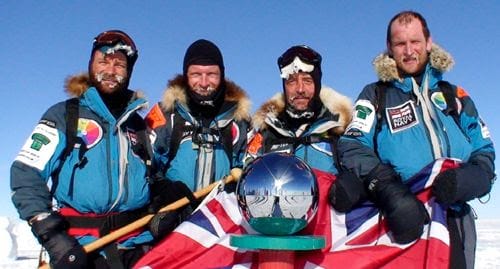
Andy returned to hospital practice in 2002 and qualified as a GP in 2004, yet his appetite for challenge remained undiminished. During GP training in Plymouth, he was selected for the Royal Navy Everest North Ridge Expedition (2003), during which he supported the highest recorded mountain rescue in history at 8,600 metres. He has since completed the gruelling Lympstone-to-Poole race twice – finishing second with his team on one occasion – and tackled the Karrimor International Mountain Marathon three times. His adventurous spirit extends far beyond military service: for over 25 years he has served as an expedition medical officer in some of the planet’s most extreme environments, from the Arctic and Himalayas to deserts and jungles. A qualified Alpine and Winter Mountain Leader, he was part of the first military team to reach the South Pole since Captain Scott in 1912, reflecting his deep interest in cold weather and high-altitude medicine.
In 2015, Andy returned to the NHS as a GP partner and later became Clinical Director of a large Primary Care Network spanning Devon and Cornwall. He is currently an Executive Partner at a practice on the North Devon coast, teaches Extreme Medicine at Exeter University, and undertakes occasional television work. He lives in Bideford with his three children, spending as much time in the sea as possible. When not climbing, skiing or winter mountaineering, he is a keen paraglider pilot and an enthusiastic – if self-deprecating – cider maker.
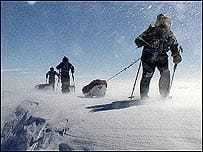
The focus of Andy’s SedInspire lecture was his role as team member and training officer on the British Polar Quest Expedition (2006–07) -a 1,500-mile round journey across the Antarctic plateau, undertaken on skis and supported on the return leg by wind-powered kites. He described departing the UK for Chile and then spending 65 days on the ice in one of the world’s most unforgiving environments. As team doctor Andy bore additional responsibility, often improvising medical solutions with limited equipment in temperatures that plunged below –30°C.
Andy spoke movingly about the stark beauty of Antarctica, calling it “one of the last great wildernesses on the planet”. He reflected on the humbling experience of hauling heavily laden sledges across a vast, featureless horizon, in conditions reminiscent – though mercifully more manageable – of those endured by Scott’s ill-fated expedition. His insights into hardship, resilience, teamwork and risk captivated the audience, offering a vivid picture of what it means to operate at the very limits of human endurance.
Sedbergh is deeply grateful to Andy Brown for returning to share his extraordinary experiences – reminding us all that the lessons learned here can propel one to the ends of the earth, and sometimes back again.