
SEDInspire lecture: The Evolution of Graffiti


By Dr Philip Hoskin
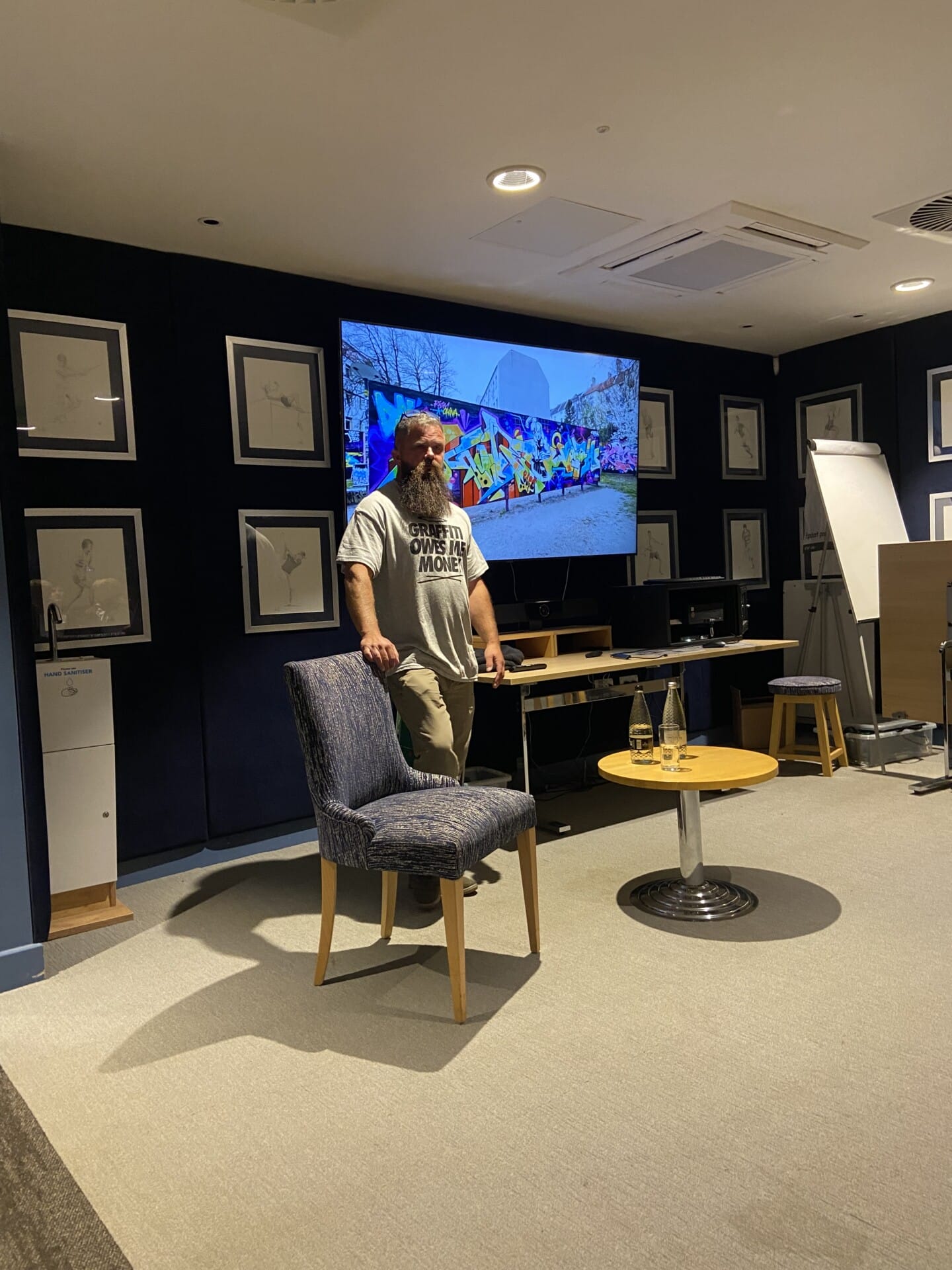
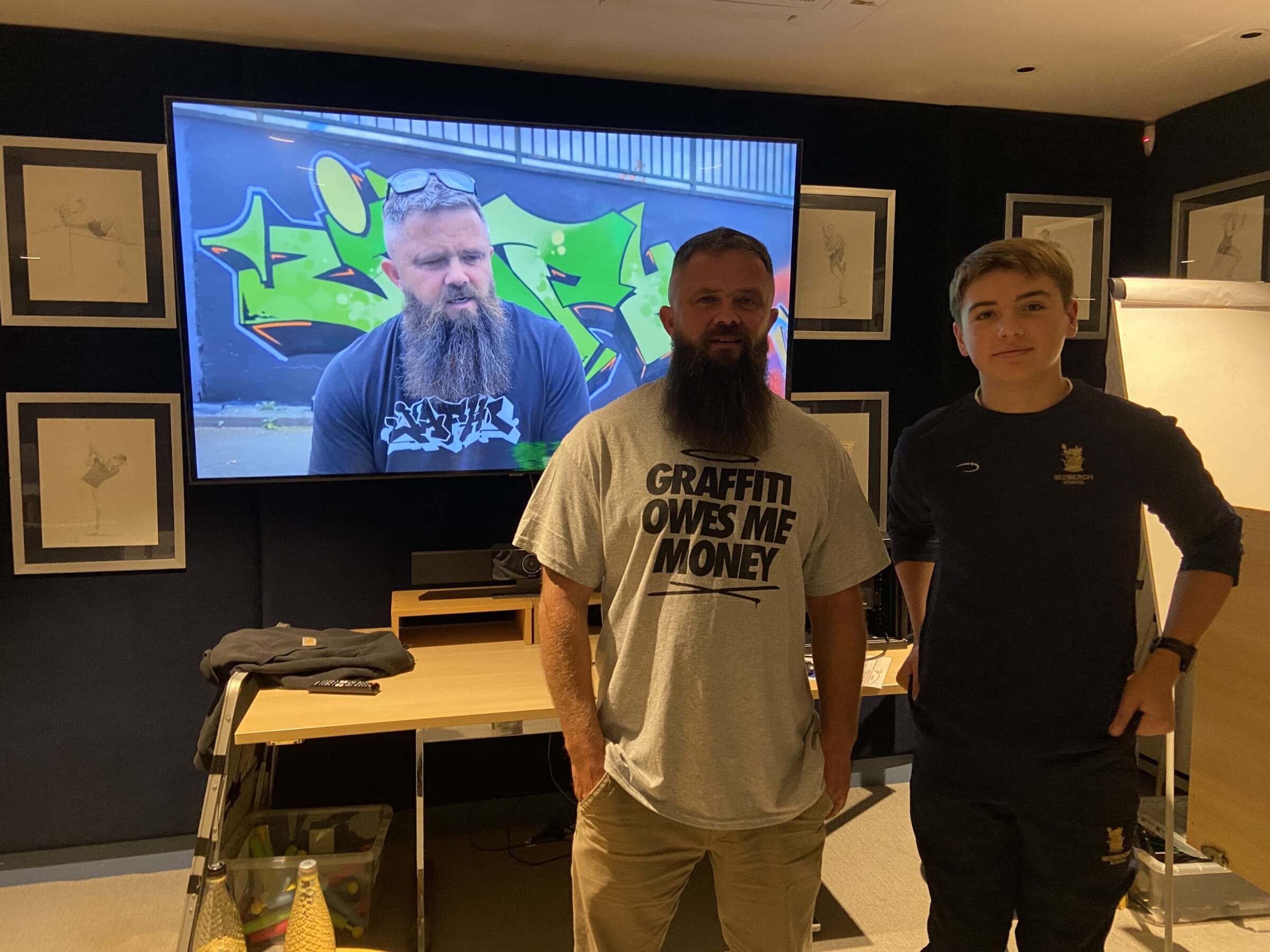
It was an absolute pleasure to welcome and host the immensely talented graffiti artist Japh for the first SEDInspire talk of the academic year on Friday 11th September. In front of an audience of pupils and adults, Japh delivered a fascinating, entertaining and wonderfully personal account of the evolution of graffiti – an art form he has been part of for much of his life.
From the outset, this was far more than a lecture about spray paint and walls. Japh took us back to the origins of modern graffiti and the extraordinary cultural melting pot from which it emerged. He explored its relationship with hip hop, breakdancing, music and youth culture, and considered how these different subcultures developed alongside one another before becoming almost inseparably linked.
Japh also spoke about the artists who shaped him much closer to home. He was heavily influenced by System, Stormie and Rubie, the first generation of graffiti writers in his local town. Seeing their work provided an important early connection with the culture: graffiti was no longer something happening only in distant cities or appearing in magazines and photographs – accomplished writers were creating work on his own doorstep.
Those local relationships subsequently became an important thread running through Japh’s own development as an artist. He has painted extensively with Spy27, while his creative relationship with fellow local writer Dime-One stretches back more than twenty years, the pair working together on numerous productions during that time. It was fascinating to hear how graffiti develops through such collaborations: writers learning from one another, exchanging ideas and techniques, while still working hard to establish an individual and instantly recognisable style.
Some of the most captivating stories came from Japh’s own early experiences within graffiti’s underground world. He recalled the lengths to which young artists would go in pursuit of their craft: acquiring cans, working under cover of darkness, avoiding detection and, on occasion, adopting ingenious disguises – including posing as fishermen – in order to reach locations where they could paint. His accounts of artists ‘bombing’ trains and operating around railway lines offered a glimpse into a secretive world governed simultaneously by creativity, rivalry, risk and a remarkable degree of discipline.
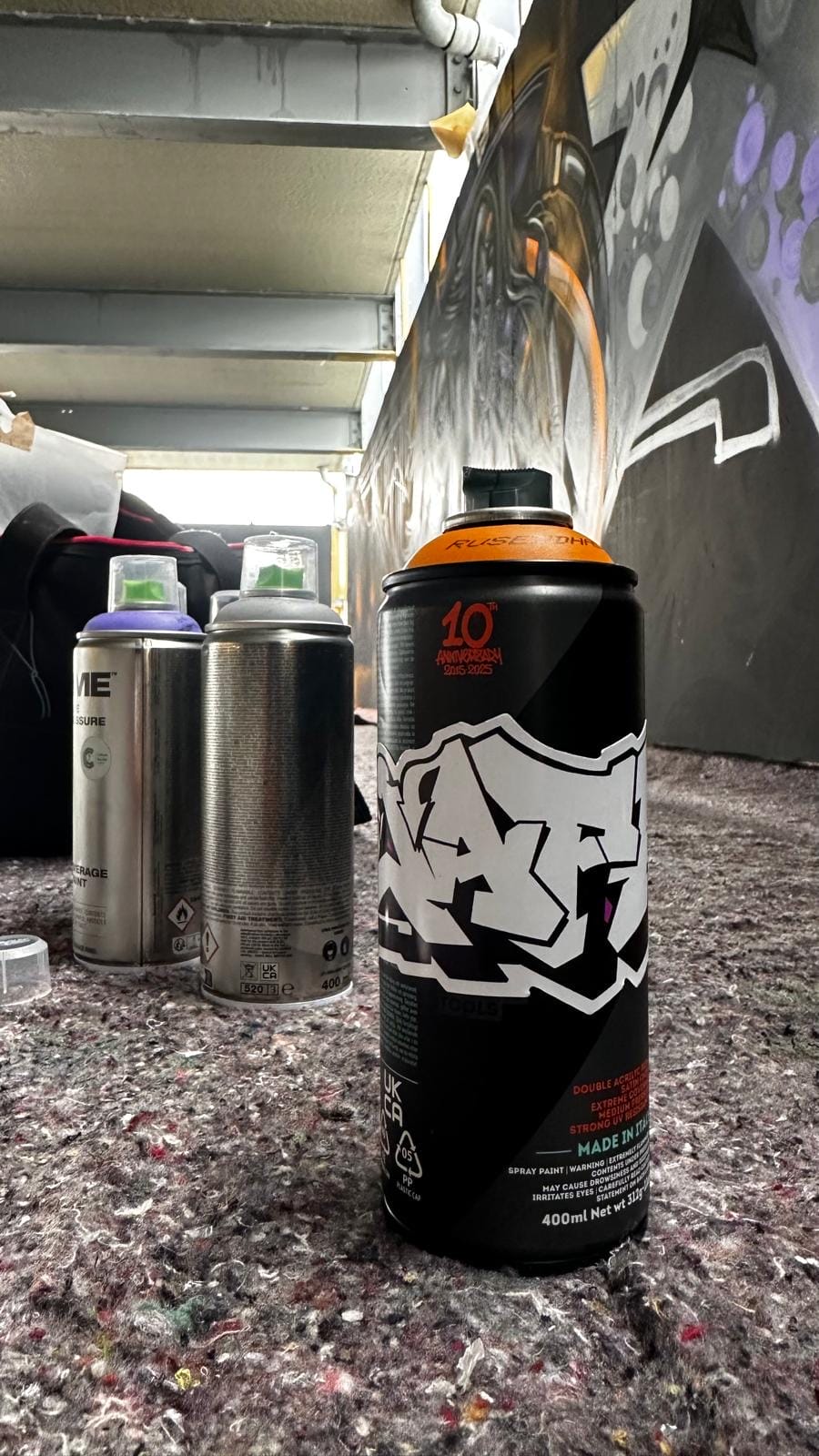
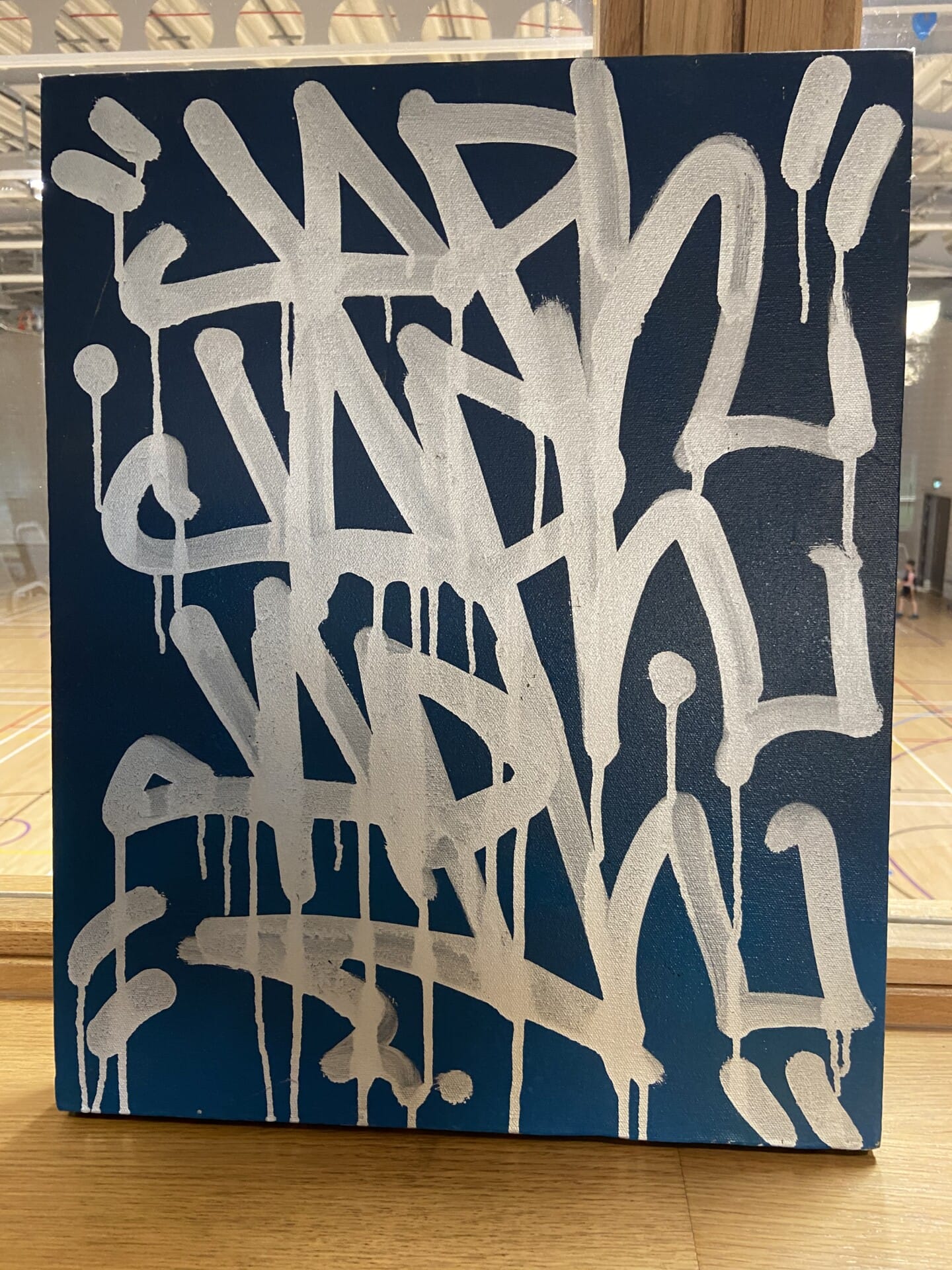
Japh explained the hierarchy within traditional graffiti culture: beginning with the apparently simple tag, progressing through increasingly ambitious lettering and designs, and ultimately producing the large, technically accomplished works known as pieces. What might appear spontaneous to an outsider was revealed as something requiring years of practice, experimentation and painstaking refinement.
Particularly fascinating was graffiti’s unwritten code. There were rules. Drips were unacceptable. Stencils were frowned upon. Simply copying another artist’s lettering or style was unthinkable. Originality mattered. Technique mattered. Earning the respect of other artists mattered. Japh revealed a culture possessing its own standards of craftsmanship and integrity, despite much of the work itself being created illegally.
This provided a striking contrast with the world of street art today.
What began largely in the shadows has developed into a truly international industry. Artists who might once have expected arrest for painting a wall can now find themselves invited to major events, exhibiting internationally and producing work sought after by galleries, collectors and commercial brands. Graffiti has travelled from railway sidings and forgotten walls into galleries, festivals and collections around the world.
The techniques have evolved too. Many of the old prohibitions have disappeared. Stencils are commonplace; artists employ increasingly inventive methods to create precision and straight lines; digital technology has transformed the process of designing and developing work; and AI represents another intriguing new frontier. Japh reflected thoughtfully on the tension between maintaining the traditions and authenticity of graffiti while accepting that, like every living art form, it must continue to evolve.
Yet perhaps the most memorable element of the evening was not about technique at all.
Japh spoke warmly about what graffiti had given to him: extraordinary experiences, opportunities to travel and, above all, friendships. Through his art he has met an astonishing variety of people and developed friendships with artists across the world. The friendships with writers such as Spy27 and Dime-One also demonstrate something particularly important about the culture: for all its reputation for individualism and rivalry, graffiti can create relationships and creative partnerships that endure for decades.
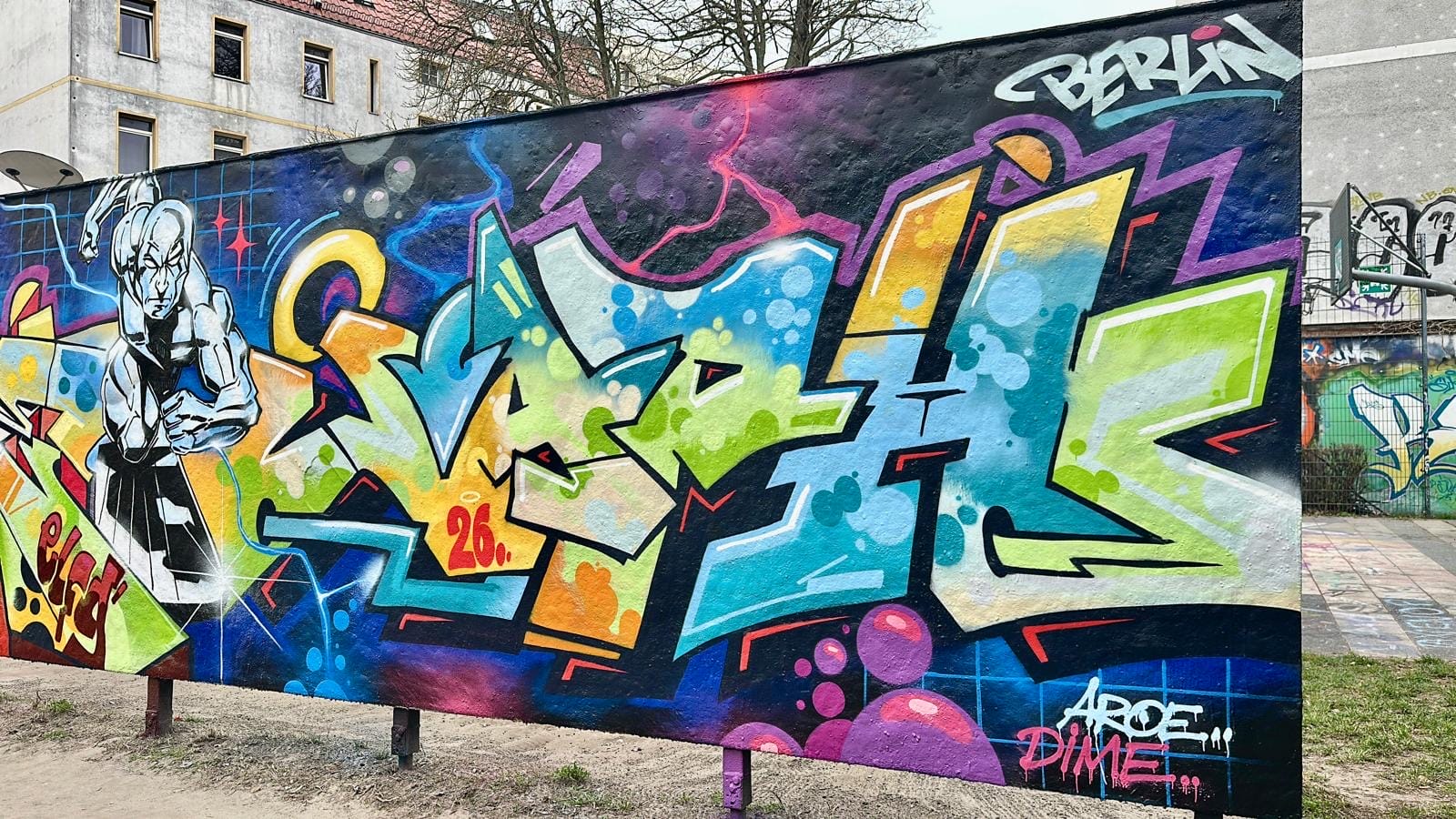
His own work provided a wonderful illustration of that journey. Through photographs, examples and stories, we were able to see the progression from early experimentation to the distinctive and accomplished work he produces today. The international invitations and opportunities that followed were not the result of instant recognition. They came after years of quietly practising, experimenting, making mistakes, improving and gradually mastering his craft.
That message was particularly powerful for the young people in the audience.
Japh concluded with advice that extended far beyond graffiti. Keep working. Master the fundamentals. Be curious. Develop your own style rather than simply copying somebody else’s. Take opportunities when they arise. Remain humble. And, above all, be a good person.
There was something wonderfully fitting about the arc of Japh’s story: from being a young writer inspired by System, Stormie and Rubie, through years of painting and collaborating with artists such as Spy27 and Dime-One, to travelling internationally and being invited onto a global stage because of the quality and individuality of his art.
And yet, despite everything he has achieved, what came across most strongly throughout the evening was Japh himself: his enthusiasm for his craft, his generosity in sharing his experiences and his refreshingly grounded attitude towards success.
It was an inspiring, illuminating and frequently very funny evening – precisely what SEDInspire is intended to provide. Our enormous thanks go to Japh for travelling to Sedbergh, for sharing his work and stories so openly, and for giving our pupils such a memorable start to this year’s SEDInspire programme.