
Classics pupils bring ancient Rome to life


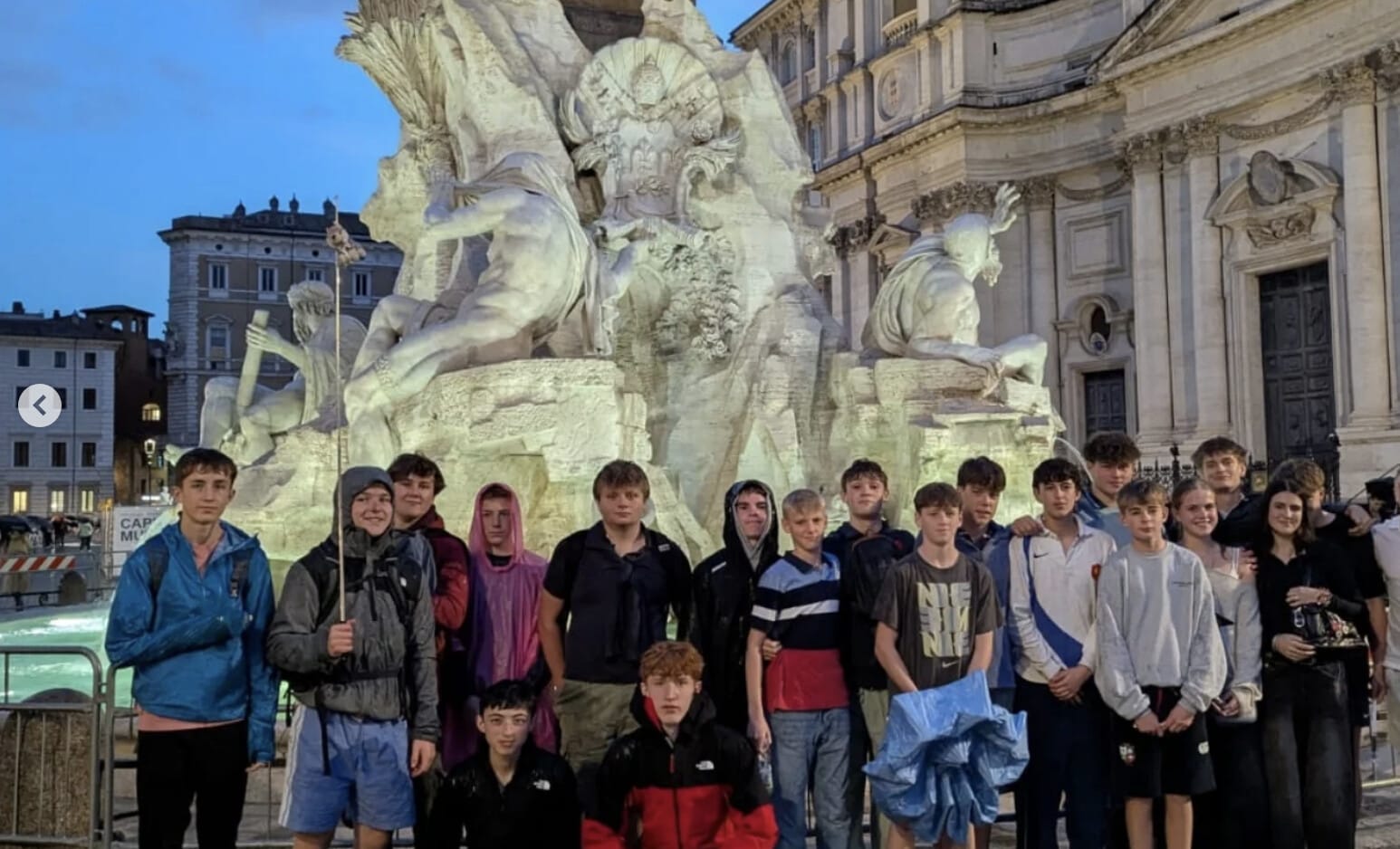
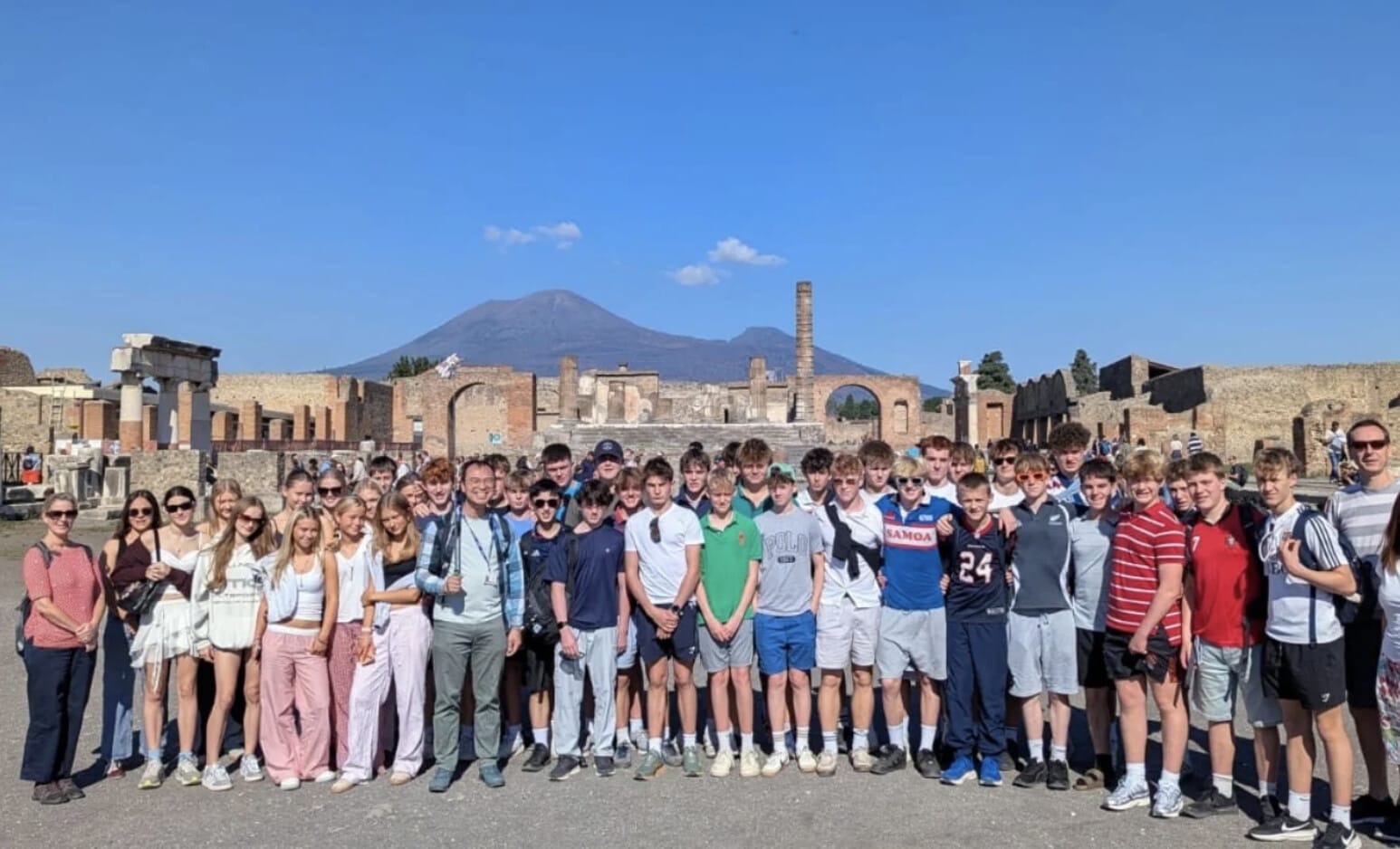
Over the half-term break, Sedbergh’s Classics pupils journeyed to Rome, Pompeii, Herculaneum and Ostia to explore the physical world behind their studies of Roman City Life. The trip was designed to consolidate Paper 1 of the GCSE Classics syllabus and, for Latin pupils, to enrich their preparation for Paper 3, where they study aspects of the Roman world through visual sources. Experiencing these sites first-hand allowed pupils to move beyond classroom learning — standing where ancient Romans once lived and worked, seeing the spaces that shaped their literature, art, and daily life.
Led by Mrs Holland, Head of Classics, and Mr Lee, Head of Latin, the group immersed themselves in the daily rhythms and human stories of the ancient world. From tracing the layers of social life in Roman houses to confronting the moving remains at Herculaneum, pupils saw history made tangible. “It was particularly pleasing to hear so many thoughtful questions from pupils as we passed through our many archaeological sites,” Mrs Holland reflected. “Seeing them marvel at the vivid frescoes and lavish gardens of the House of Octavius Quartio were special moments unparalleled by any amount of classroom teaching.”
Mrs Holland reflects on the trip:
Speaking after the group’s return, Mrs Holland described the visit as “the perfect embodiment of Sedbergh’s values — curiosity, resilience, independence, and a love of learning.” The four-day itinerary offered a rare opportunity to bring lessons vividly to life, enabling pupils to connect ideas from their GCSE courses to the spaces, scale, and humanity of the ancient world.
“The pupils were spellbound,” she explained. “It was great to see them take the lead in making new discoveries and marvelling at the buildings. Many expressed a renewed interest in studying beyond GCSE, and for others, it confirmed a desire to continue their classical studies.”
Igniting a passion for future study
Mrs Holland believes that the trip has lasting academic impact:
“The trip undoubtedly whetted the appetites of our pupils for further investigation and reading once back at home. It enabled them to see archaeologists at work and perhaps consider careers in further research. It was really important to us as teachers to ignite this thirst for knowledge and awaken pupils to the possibility of further study of ancient civilisations. It was very special to observe the awakening of pupils to the Roman appreciation of all things Greek, as featured in Roman interior design and their many forms of entertainment. This very much emphasised the idea of the appreciation of ancient civilisations as an enduring, well-respected discipline.”
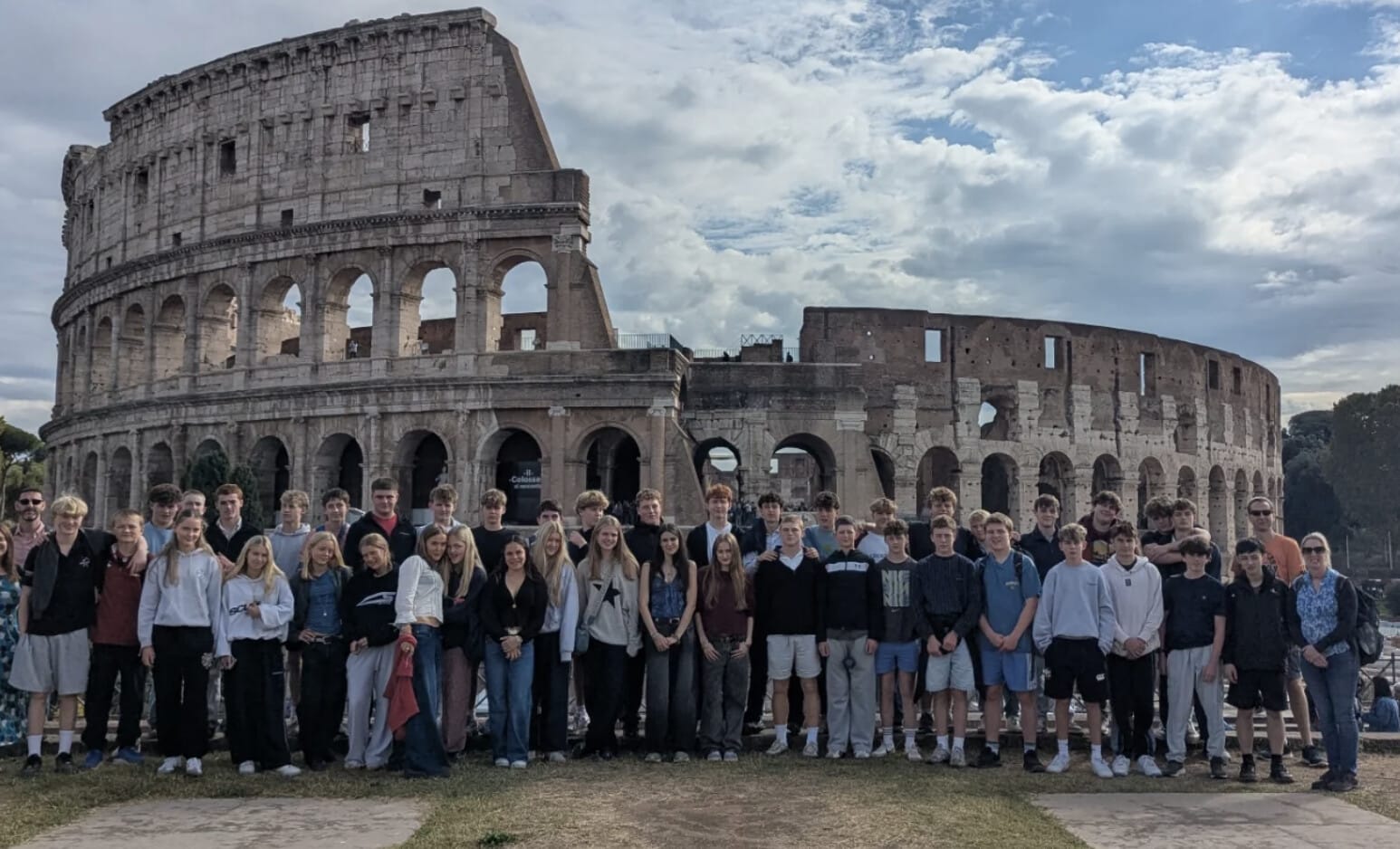
This link between classroom learning and lived experience — between the abstract and the tangible — reflects Sedbergh’s wider approach to education: depth, curiosity, and connection. By seeing the craftsmanship of the Pantheon, the scale of the Colosseum, and the intimacy of the villas at Pompeii, pupils could better understand how culture, religion, and architecture intertwined in daily Roman life.
A true reflection of Sedbergh’s values
“We would all agree that the visit was the perfect embodiment of all of the values that a Sedberghian holds dear,” Mrs Holland said. “Although undoubtedly a great asset to our learning and an excellent way to learn, the visit left us wanting to know more! Many pupils expressed a renewed interest in studying beyond GCSE and for others, it simply confirmed the desire to continue their studies. By bringing our classroom to Italy, with the backdrop of Vesuvius looming, opportunities to view and even climb the volcano were eagerly embarked upon — after all, having climbed Winder, Vesuvius seemed a breeze!”
She added that the group received many compliments from members of the public for their conduct and enthusiasm:
“It was also great to get so many compliments from the public on the conduct of our pupils, and I would like to take this opportunity to thank them for this. Above all, thanks go to Mr Lee for doing a super job in organising the trip and to Mr Wilkinson, Mr Lewis, and Mrs Suttle for accompanying us. Not to mention all the work that went on behind the scenes, for which special thanks go to Mrs Hall.”
The trip offered much more than sightseeing. It was an academic journey that strengthened understanding, inspired curiosity, and demonstrated the living relevance of the ancient world. As Mrs Holland summed up: “Awe-inspiring.”