
History of Sedbergh School in 50 Objects 35: Bruce Loch


Not many public Schools boast a nature reserve amongst their acreage. Bruce Loch Nature Reserve is a three-acre site occupying a natural depression in a glacial moraine to the south of the Main School site. The wetland area was named ‘Bruce Loch’ during the 1950’s in tribute to former Headmaster of Sedbergh School J. H. Bruce Lockhart who led the school from 1937 to 54.
The natural depression in the landscape created a large pool of flood water in wetter months which for much of the twentieth century was used for ice skating in winter. During the 1970’s it was also used in the summer months for canoeing.
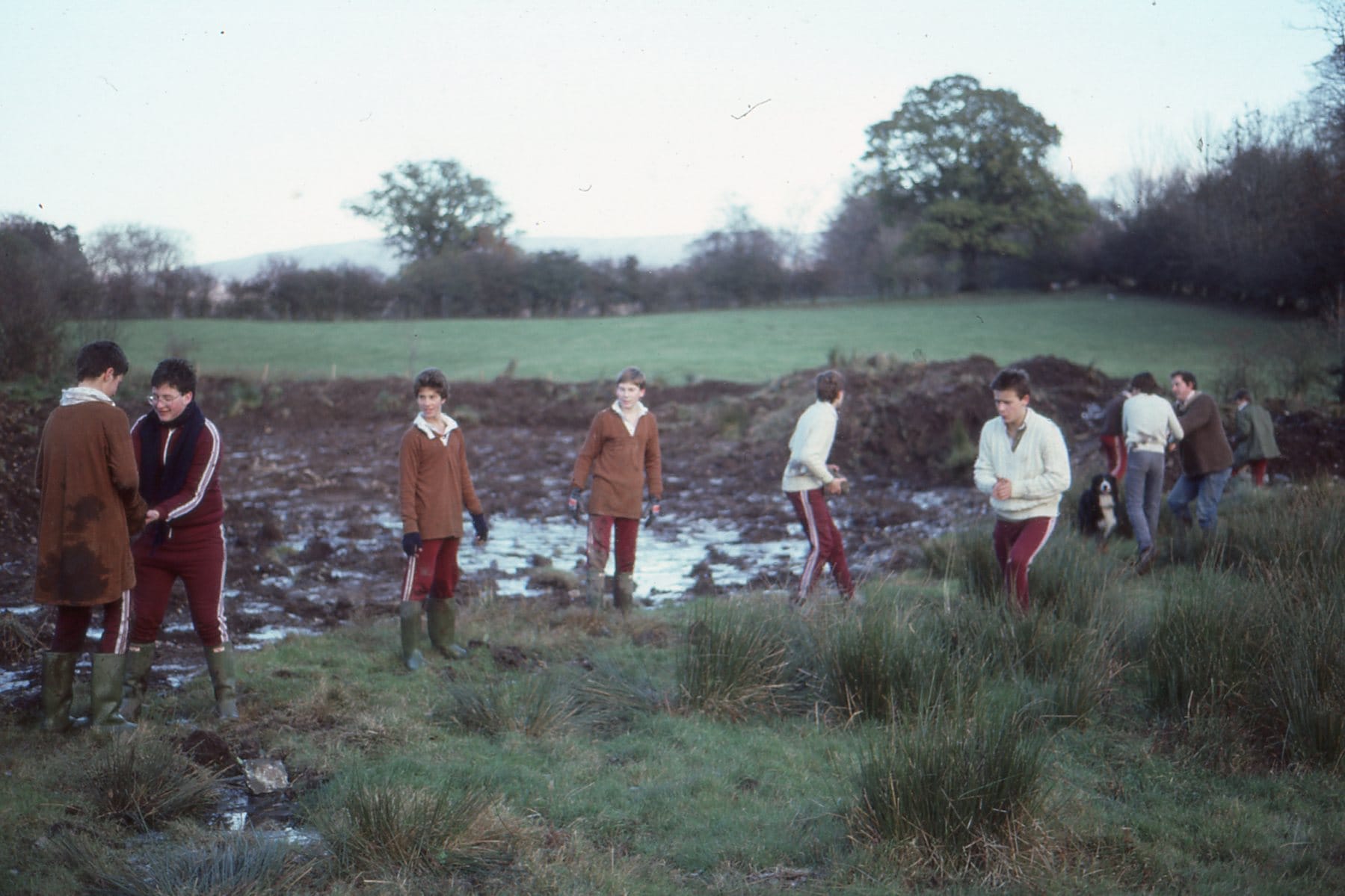
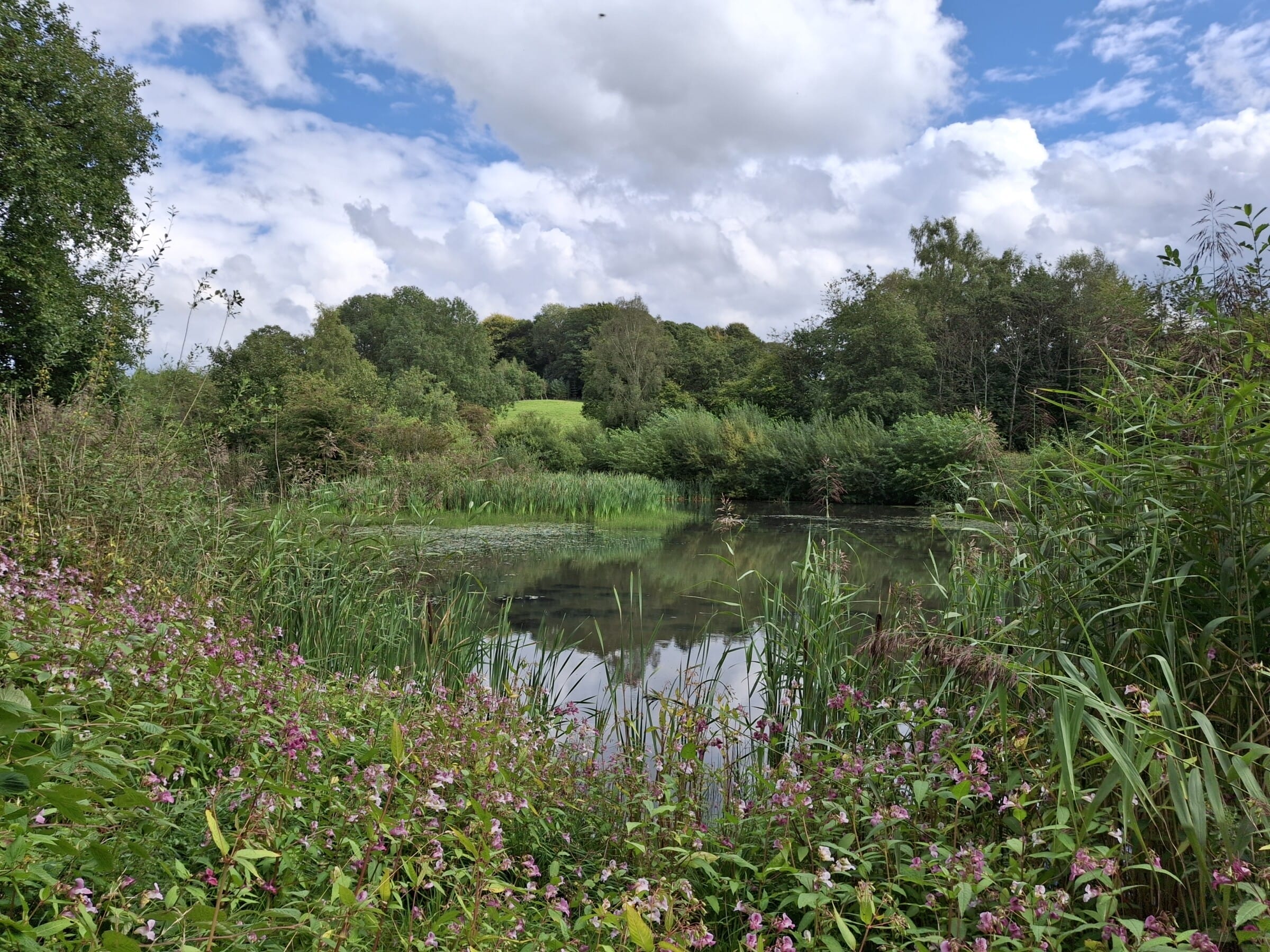
In October 1985 the nature reserve for formally established. A perimeter fence was installed to ensure that species introduced were protected from livestock. The marshy floor of the basin was excavated by mechanical diggers. In the following months a lakebed, islands and shoreline were shaped by determined squads of boys armed with picks, spades and wheelbarrows. By the following spring the lake was completed and water levels stablised. Aquatic plants including medmace, common reed, water lily and bogbean were introduced to colonise the lake fringe. Plantations of willow, alder, oak, ash, cherry and beech were established and the remaining area enriched with wildflower and grass seed. By 1987 the reserve had matured substantially with the banks clothed by soreading reeds and colonised by flowering flag iris and water forget-me-nots. Trees had flourished and the grassland had rapidly diversified with over seventy species of flowering plant identified. Frogspawn had appeared, and trout, minnows and sticklebacks had flourished in the lake. Dragonfly and damselfly had colonised the wetland margins, with roe deer, fox, stoat, weasel, pipstrelle and nocutule bats also visiting. Over eighty species of birds had been spotted on the reserve. Mallard, tuffed duck, little grebe and moorhen had bred successfully on the lake and nest boxes had encouraged redstart, pied and spotted flycatchers to appear. Winter wildfowl had included several unusual birds, notably Peregrine falcon, green sandpiper, greenshank, kingfisher and hawfinch.
For 40 years the school conservation society, under the guidance of a self-selecting group of teachers, have worked to maintain and enhance the natural environment of the reserve, encouraging native species to return, and carefully nurturing introduced vegetation. The School is indebted to Malcolm Priestley whose vision it was to establish the nature reserve. Malcolm had studied hydrology at University and wondered whether it might be possible for the shallow pool which flooded in winter to maintain water all year around. After negotiating with the Yorkshire Dales National Park Authority, a grant of £2000 was secured to make the project feasible, supplemented by several parents who were delighted at the prospect of their boys undertaking such a wholesome endeavor on Thursday afternoons. Nick Brown took over from Malcolm Priestley, and Dr Alisdair McMeechan now guides pupils in management of the reserve.