
History of Sedbergh School in 50 Objects #23: Edward Staveley Taylor’s World War One Letters


This article reproduces a reading from the 500th anniversary gala weekend chapel service written by Development Director Jan van der Velde.
It is in the nature of Sedberghians that innate optimism, gung-ho spirit, keenness for adventure, and strong sense of duty made many enlist in the forces during the First and Second World Wars.
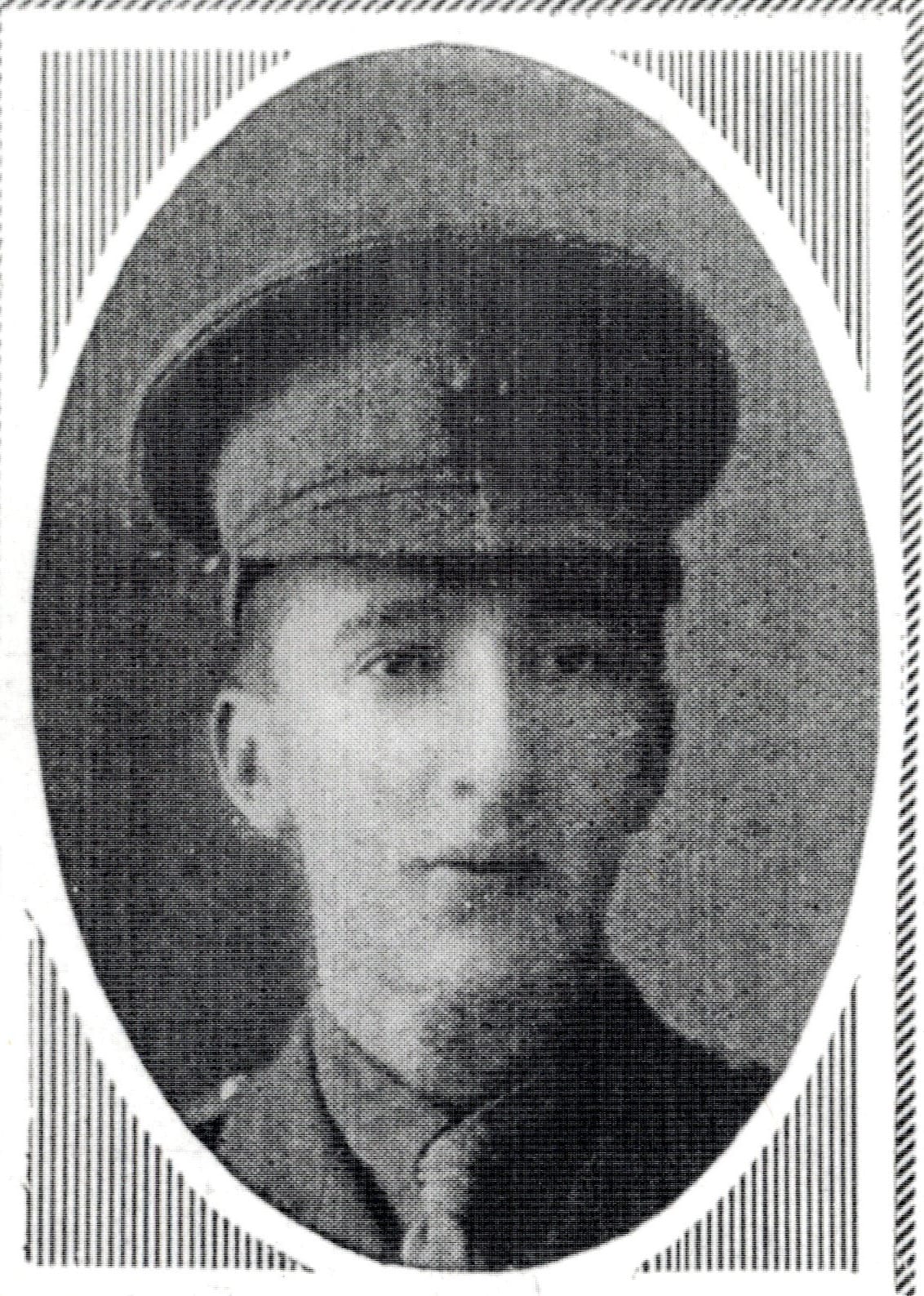
This is perhaps best seen through the letters of Edward Staveley Taylor, Lupton House 1909-1912. The Sedberghian wrote of him ‘He had a quick brain and ready wit and was generally at the centre of a knot of boys, full of laughter. In his presence it was impossible to be dull’.
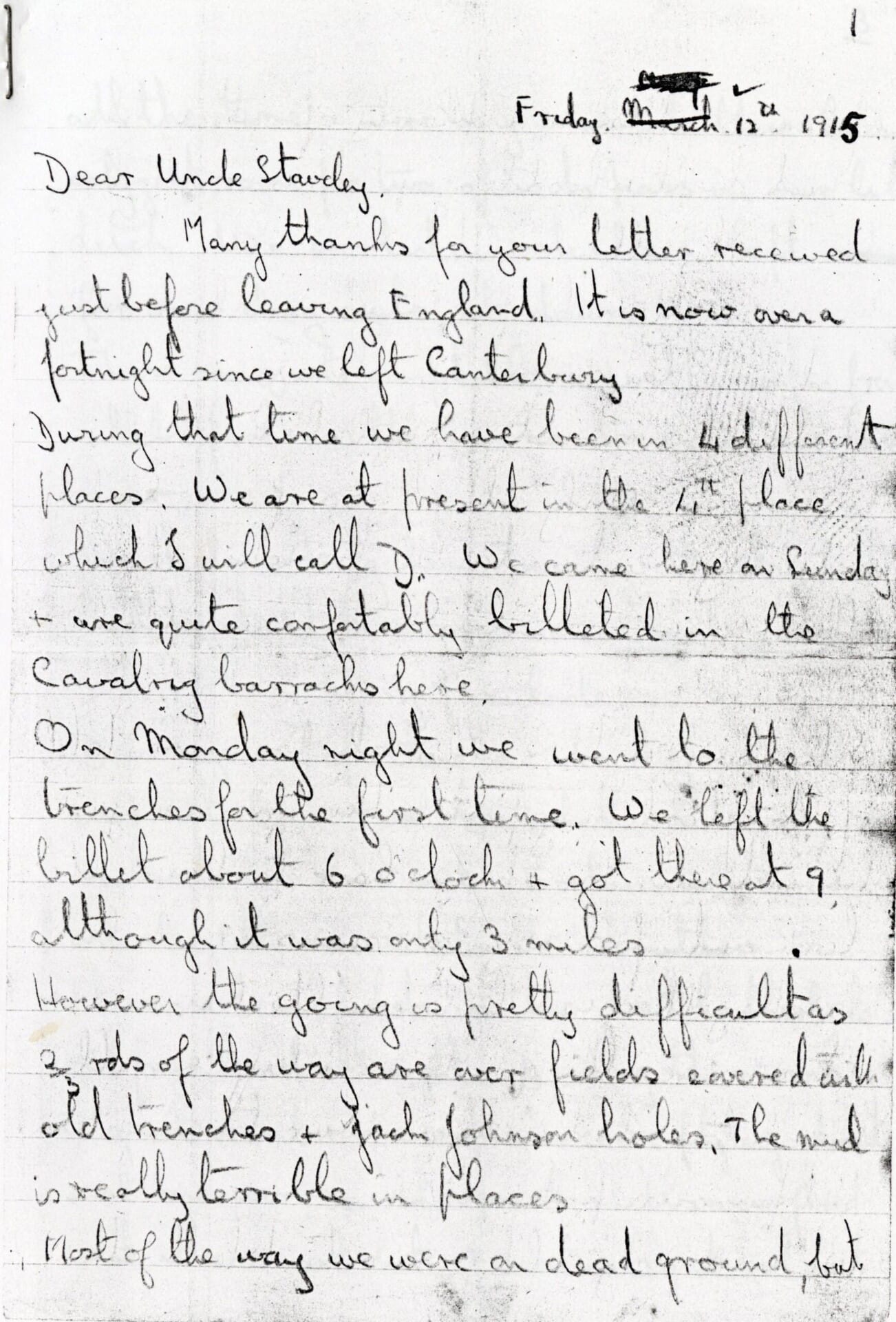
In his letters home, like so many, we see youthful optimism gradually eroded as the horrors of war took effect.
Taylor joined the Territorial Force in 1913, later to be commissioned in the 7th King’s Liverpool Regiment. In August 1914 he wrote to his uncle saying: ‘Mother does not want me to go unless necessary. No one knows how long this war will last, perhaps six months, perhaps two years but I don’t think there is much chance of being shot, because I do not think we will be sent into the firing line.’
More eagerly, and with a Sedberghian appetite, he writes: ‘Today we had a great lunch of tomatoes, potted meat, plums, tinned fruit, bread and butter and cider. Tonight, we got pineapple chunks for tea.’
He was sent to France in February 1915. The initial enthusiasm of youth had waned, replaced by the realism of war. Letters home indicate both the desperate conditions facing the men on a daily basis, and also the false hope that kept their spirits up. But Sedbergh resilience and optimism were always present, writing ‘we dug a communication trench, working for four hours through the foulest smelling stench imaginable and were not surprised to have found the body of a poor Frenchman who must have been there for three or four months.’ But he concludes, ‘The news seems very good at present, and I think it will all be over before Xmas’.
On 9th August he was hospitalised having been shot in the chest during the battle of the Somme. Another Sedberghian, Captain L Buckley, wrote to Taylor’s mother to break the news. ‘He is conscious, but you must realise that these chest wounds are very serious’. A few days later Taylor dictated a letter to his mother, ‘My dearest mother, I am still too lazy to write so I am getting Matron to write this. I will write as soon as possible. I have been hit in the ribs and hope to get sent down the line soon. I am so looking forward to seeing you. With much love to you. I am your affectionate son, Teddie.’
Edward Taylor was unable to keep his commitment to write to his mother. He lost his battle for life a few days later, passing away on 19th August. He was just 20 years old.
In all 1,260 Sedberghians and staff served in the Great War. Of these 260 were killed and their names inscribed upon the walls of the Cloisters. We owe them much. When tomorrow we gather at the Cloisters for the Commemoration of Benefactors, take the time afterwards to read the names of the fallen. Each was a life cut short; each was a Sedberghian who once took inspiration from these hills. They symbolise the courage of Sedbergh, and the values that we cherish so very highly today. May they all be remembered forevermore.