





Month: September 2023
Ella was one of our top-performing GCSE pupils of 2023 and she is now studying for English, Psychology, Geography and Biology A Levels with her plan being to pursue a degree in English as a bridge into studying law. The idea of a career in law only came to Ella when looking at where her love of English could take her. She’s been pro-active about seeking advice and realistic about managing her challenges. Ella joined as a flexi boarder at Casterton, Sedbergh Prep School in Year 8.
I boarded about two or three times a week. It depended on where mum was working and who else was boarding in house. It definitely helped how I got to know all the girls. And then coming up to senior school I felt a bit more prepared because I knew a few people.
On a scale of 1 to 10, how hard did you work for your GCSEs?
Oh wow! I would say close to a nine! I didn’t really know what to expect and I definitely stressed myself out quite a lot. So revision-wise, I wanted to make sure that I was on top of everything and that I knew as much as I could so that when I went into the exams I wasn’t unprepared. I think definitely that drove me.
Revision-wise, when we were at school, we did an hour of revision for every lesson. So, on a full day that’s about six hours; then I’d do three or four additional hours after school. So that would usually be about nine hours a day. When I went home [before exams], I got up at seven but I was a bit more flexible. I could do work for 40 minutes and then take 20 minutes breaks, which I thought worked better for me. I usually worked until about four o’clock and then my mum would say, “That’s it, you’re done! Put everything away now.”
Do you feel different being in sixth form? Do you think you’re treated differently in School?
Things have definitely become a lot more real! I think especially doing GCSEs, I always thought, ‘Oh, A levels, I’ll cross that bridge when I get to it!’ Now that I’m actually here doing it, it is a lot more real. We’ve got two years left.
Yes, I definitely think that I’m treated differently in School. There’s an expectation that there is more maturity. For the simple tasks teachers are not guiding you as much and they’re focusing on you becoming more independent. I think it’s very, very good. It was definitely a very big transition from GCSEs because we went from being in our tweeds [uniform] and teachers saying, right, you need to do this, then this, then you need to revise by doing this and this and this. Even two weeks into year 12 there’s a lot more freedom. They’re like, you know what you need to do.
Do you feel that, with that extra freedom, you have the ability to make your own choices and to make mistakes?
Definitely. I think so. I think the hardest part is that because there isn’t as much teacher guidance, you need to realize those mistakes yourself. I think that is the biggest part because usually at GCSEs, teachers are telling you, oh, you’ve done this wrong. This is what you need to do to change. But because now at A Levels there’s not a teacher there every single step of the way, it’s up to you – instead of the teacher approaching you, you need to go to the teacher. That’s a very important life skill, so I do think it works.
Have you always thought of law as a potential career for you?
Definitely not! There’s been a lot of tossing and turning. I think growing up all girls go through the stage of oh, I want to be a vet, a teacher, a princess and all of that. Until recently I did want to do medicine, but I have never been as engaged in my sciences, which you need to be fully committed to do, at a high level, if you want to go down that path. So, that was when it changed for me – I decided that if I can’t help people physically, I’d rather help them emotionally. While originally I was interested in the criminology side of law, now I think I’d more want to involve myself with children. I’d rather focus on that and then build on from there and see what happens.
How did you become aware of this pathway to law?
It definitely began before we started picking our A levels. We were sent a form to select the courses that we want to do; it included the A levels that you need and the grades – things like that. I’ve always really enjoyed English and wanted to do that. From that I started researching into branches, what else I can do from that. And I read up on things such as journalism and then obviously law was there as well.
For me personally, well I know law is going to be very difficult, but it was the one that I wanted to do the most and the one that I was most interested in, which I think is very important because you definitely have to be really interested in something if you want to succeed in it.
What resources, tools and advice have you used to guide your decision making?
I have definitely been influenced by other people and books that I’ve read. But teachers here [at Sedbergh] have been a main influence, especially Mr. Lucas who’s now my psychology teacher. He was recommending loads of books for me and saying, ‘Oh, if you want to learn about this, this is what you need to do.’ I think that having another perspective really helps you to understand, oh, this is possible.
When you talk to Mr. Lucas about those things, is that a formal structured conversation or is it just something that comes up?
It’s a bit of both really. Whenever you talk to a teacher about something that doesn’t really relate to the lesson, you have to take it upon yourself to go and talk to them and ask and sort of find the way until you get the answer that you want and find the guidance that you want.
Because things like that, teachers don’t usually address it to the whole class, especially so early on, when there’s many people that will be dropping psychology for example. So, teachers wait a bit longer before they say, oh, this is what you should do and this is what you should read if you want to continue it [the subject]. I think showing eagerness and that willingness to continue has definitely helped me a lot and helped the teachers to give me the resources that I need.
Has any of the literature that’s been recommended to you helped you with your decision?
Yeah, definitely. For instance, we’re going to see the Handmaid’s Tale – which I’ve read because my mum is always very eager for me to read different books. I think it’s all about how in another world women have no control over themselves and there’s nothing they can do about it. That sort of got me thinking. There is some reflection of that in the real world; you get people like women and children in culturally based countries who don’t have that freedom. And I think there’s power in thinking that maybe there’s something that I can help with to change things like that, or I can look into it and find out what causes things like that. And I definitely think that’s motivated me quite a lot.
Have you attended any extra-curricular activities – like the societies – to expand your learning?
Yeah, definitely. In year 11 I did Phoenix Society [debating]. The Sixth Form dinner debates are a step up from that. And then obviously the Brantwood Society, which covers poetry and things like that. And that was definitely something that I wanted to do not just in lessons, but because I want to take my learning outside the lesson to see what I can expand onto.
Is sport important to you?
Yeah, definitely. I mainly do netball and hockey and then cricket in the summer term and running. They all tie in very well with each other because I do one each term. I run throughout the year sort of to keep my fitness up. I think sport is definitely a way to release stress. I know loads of my friends will agree with this. Being stuck in a classroom for six hours and then having the freedom to go away and run around and not having to think straight and the release of endorphins and all that is important. It really does help you concentrate a lot when you know that you’ve done your exercise for the day, it really helps.
When I leave I don’t think I will be able to do all of those sports. I think, for me, cricket is more of a social thing; I do it because I enjoy it and I do it with my friends but I can’t see myself continuing that when I leave. But I definitely think I’ll play netball. I really, really want to continue that when I leave and my running as well.
Which of the hark values do you most identify with?
I would say resilience. I think a lot of people at Sedbergh would definitely agree because at Sedbergh and school in general, it’s not easy and it’s never sort of going to be a straight line and there’s going to be loads of ups and downs, and I think you need to have that mindset to continue with it and to keep going when things get difficult. Otherwise, you won’t really get anywhere in life. If at every problem it’s sort of one step forward, two steps back, you sort of need to change that mindset and just keep going.
Are there any obstacles facing you personally, that you are looking out for on your journey through sixth form?
I think the biggest worry would probably be failing. I think definitely having that in your mind and thinking like, oh, I want to do this, but if that happens then what? All those ifs, buts and maybes definitely make it really difficult, but you just need to ignore those pointers. You need to look forward because there’s always going to be an oh, what if I did this and what if I did that? And that mentality won’t really get you very far.
1. A spirit of adventure
Through careful and sensitive teaching, we aim to foster a spirit of adventure, both in and outside the classroom. Our curriculum is ambitious and equips pupils with the necessary skills for future success, yet is delivered in a setting of timeless beauty within the Yorkshire Dales National Park. From local field trips in geography, through to our popular bushcraft activity ‘Wolf Pack’, we provide pupils with the space and time to enjoy their childhood.
2. Individualised teaching and learning
Our smaller class sizes allow us to focus on individually tailoring each child’s learning journey throughout the School. We aim to develop happy, confident children with a ‘can-do’ attitude. This is driven by our team of dedicated teachers, who ensure each child feels secure and supported with their learning.
“They’re encouraging her to be her best self. It is very tailored to the individual” Parent comment
3.Unrivalled facilities
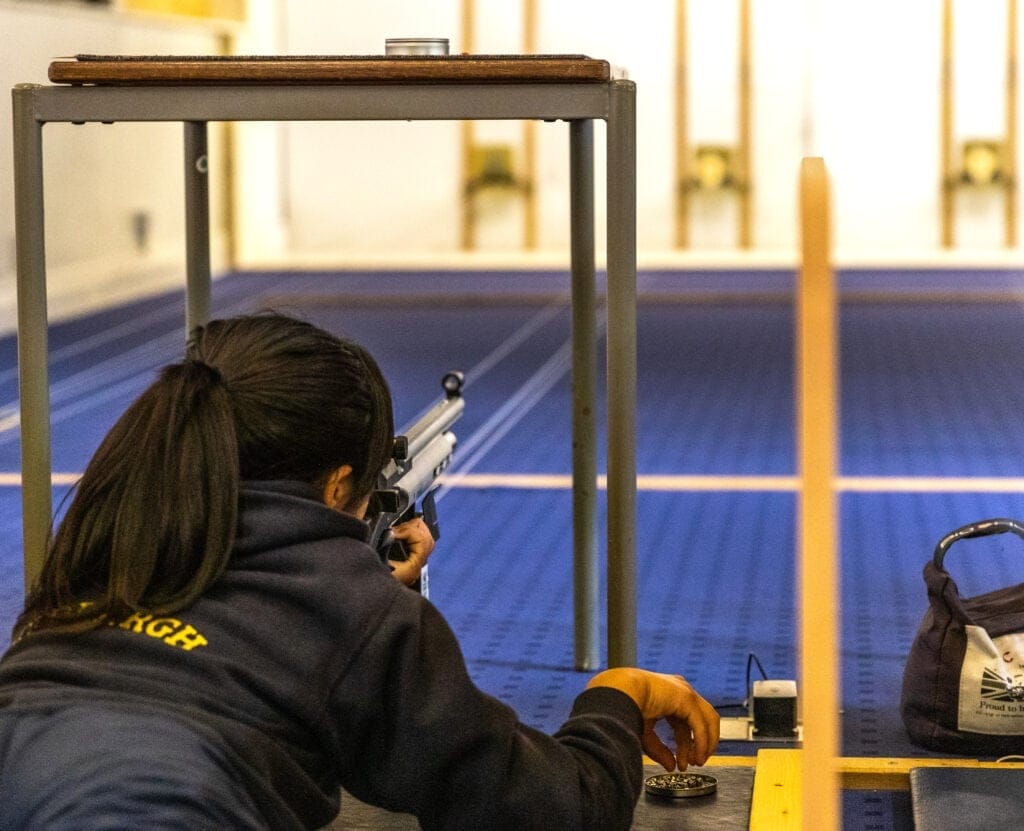
We are a Reception to Year 8 Prep School that is blessed with the facilities of a larger school site. We have at our disposal DT and robotics workshops, science and computer labs, an extensive library, all-weather astro pitch, stables, a swimming pool and target shooting range. And we love to make use of them all!

4. Creative curriculum
Our curriculum puts creativity at its heart, facilitating opportunities for the children to discover, apply and communicate what they have learned. It promotes active engagement, originality, problem-solving and independent learning in the classroom, skills that will all be needed in the workplace of tomorrow.
“At his previous school his interest… was starting to wane. It has been reignited at Sedbergh. It’s the way he is taught and the enthusiasm of the teachers.” Parent comment
5. Sports and activities
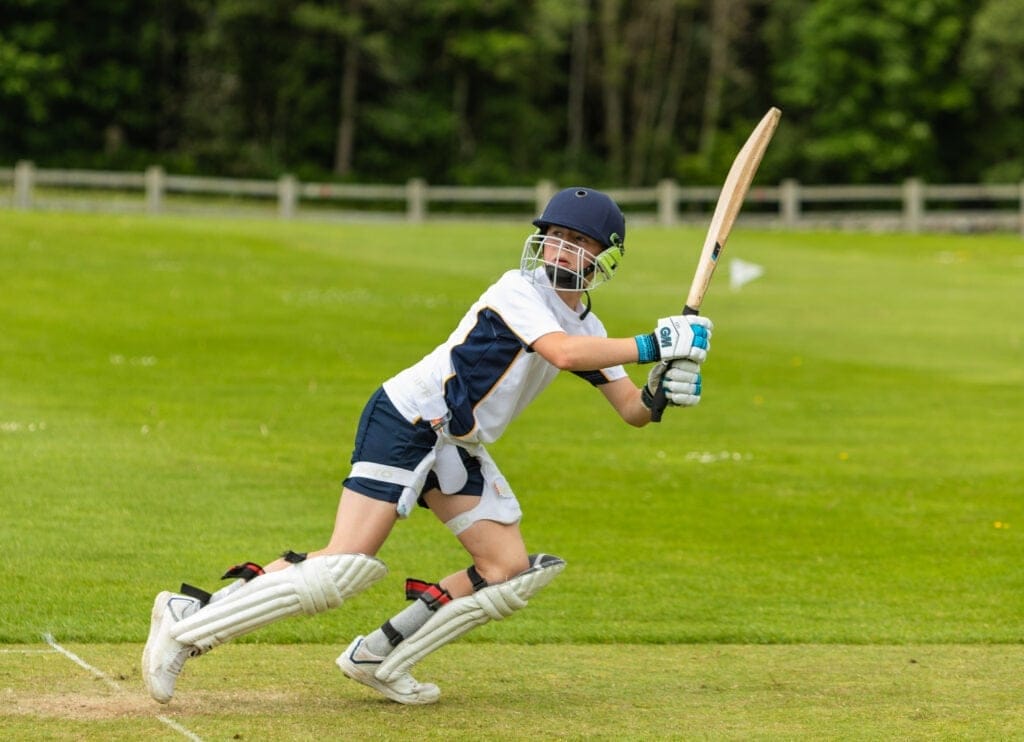
The foundation for Sedbergh’s sports renown is built at the Prep School. Our recipe for success is simple. We play sport at least five days a week, and all pupils receive top class coaching regardless of their ability, with an emphasis on fun as well as effort. The main sports within the school are athletics, cricket, cross country, hockey, netball, rugby, swimming, target shooting and tennis.
We also have a wide range of additional activities that children can get involved with outside their timetabled lessons. Our Pre-Prep children in Reception, Year 1 and Year 2 have the option to stay for after school clubs each week day between 15:45, when their formal school day finishes, and 17:00. Every child from Year 3 to 8 chooses an activity to be part of on a Friday afternoon such as biking, cookery, pony care and everything in between. We also offer the opportunity for children to take part in paid activities including instrumental music, LAMDA, tennis and horse riding lessons. These activities help to develop pupils’ confidence, independence and breadth of interest, whilst providing pupils with the opportunity to try new experiences and learn new skills.
“She has thrown herself wholeheartedly into every activity. She has rifle shooting, horse riding and is doing touch rugby, netball and hockey.” Parent comment
6. Flexible boarding options
Boarding lies at the heart of our school, building a unique sense of community and enhancing what makes Casterton, Sedbergh Prep a great place to learn. We recognise every child is different and some will be ready for boarding at different times in their lives, starting from Year 3, while others will choose to remain as a day pupil throughout their time at the Prep School. We therefore offer a range of different boarding options in both the girls’ and boys’ houses, including full, weekly, tri (when children stay three nights a week) and flexi boarding.
“I never thought I would hear myself say it but within two or three weeks I was so chilled out with my son sleeping away from home. They create a comfortable family environment.” Boarder parent
7. Wrap around care
We offer wrap around care for our day pupils, with breakfast club starting at 07:30 and supper and prep club available between 17:00 (at the end of the School day) and 18:00. Many of our day, tri and weekly boarding pupils also use the school bus routes to and from Kendal, Lancaster, Penrith, Ravenstonedale, Skipton, Sedbergh and Windermere, which run throughout the week.
8. Performing arts
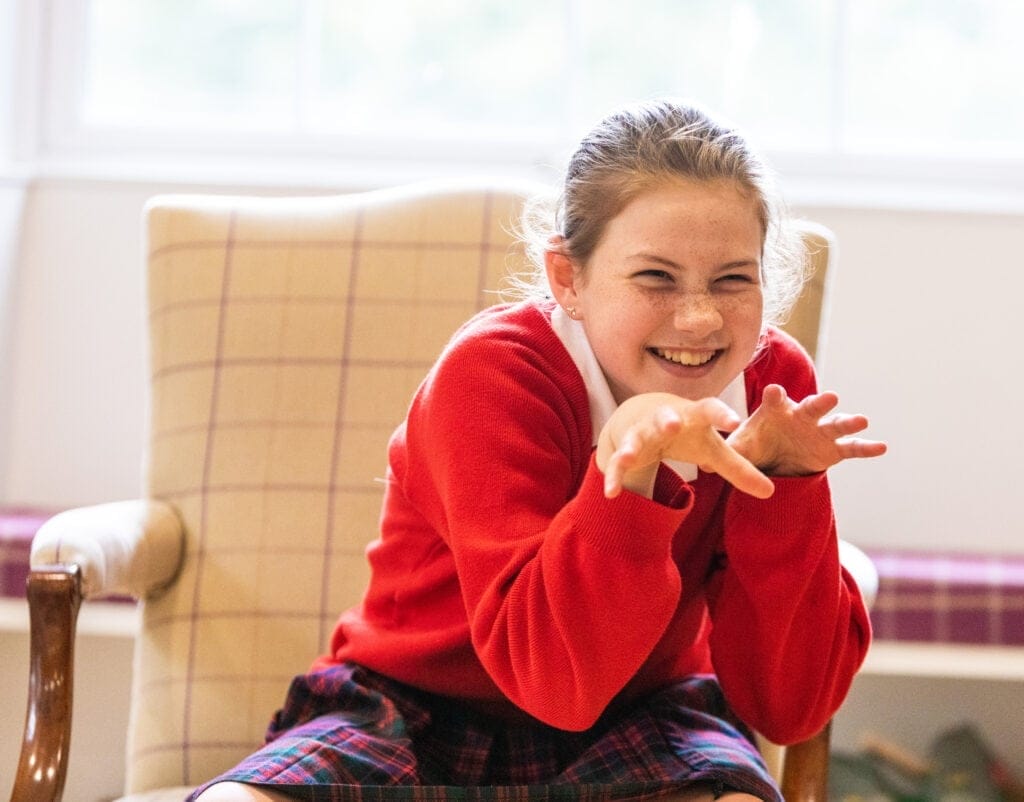
We believe that dedicating weekly curriculum time to creative and performing arts unlocks skills in creativity and problem solving. It also helps to improve concentration, focus, reading comprehension and verbal and non-verbal communication. Performing arts therefore form a vital part of every pupils’ timetable, from Reception upwards, supporting the development of well-rounded individuals capable of fulfilling their personal, social and professional potential. During the academic year, every child at the School is given the opportunity to be part of a production. Staging a show highlights the values of collaboration, perseverance, dedication, teamwork and responsibility. It exemplifies how effort and time are needed behind the spotlights in order to master a new skill.
9. Close community
A keen sense of community and heritage is shared throughout the School, by pupils, parents and staff. We are proud of our friendly and supportive environment, which is regularly praised by pupils and parents. Our parents association ‘The Friends of Sedbergh Prep’ help to organise a range of events throughout the year that allow parents to come together and meet each other, including the Christmas Fayre, dog walks, regular coffee mornings and recently a Great Gatsby casino evening.
“(My daughter) made lots of friends, which was important for her because she only joined in Year 7. She was made to feel very welcome.” Parent comment
10. The Ways of the Wolf
Our Ways of the Wolf describe the core values that shape the behaviour of everyone at the School: ambition, collaboration, courage, creativity, kindness, and responsibility. These define, in six simple terms, what our School is all about and the ethos behind all that we do.
“I’m always recommending it – I think it is a fantastic school… Sedbergh is a whole way of life. They seem to have huge amounts of energy.” Parent comment
Why not visit the School and discover some of these reasons for yourself. Please contact Anna Cooper, our Registrar, at admissions@sedberghprep.org or on 015242 79200 to book a tour.
We look forward to welcoming you to Sedbergh Prep School soon!
Kindness is a compassionate and positive virtue that involves treating others with empathy, understanding, and consideration – without expecting anything in return. We say that kindness is the most important of the Ways of the Wolf; if you can be anything, be kind.
Our Headmaster, Will Newman, talks about teaching children that kindness is their responsibility, “We are particularly keen to ensure that all of our pupils know that they have an individual choice and responsibility to choose kindness in their interactions with others. Being kind is not only beneficial to the recipients of kindness but also contributes to the children’s own well-being and the overall positive atmosphere in the school and external community.”
As a school, we are aware that childhood experiences play a significant role in shaping a person’s values and behaviours. What we do matters; so we show our pupils what kindness looks like, day-to-day, and through our charitable activities we aim to help them understand why it is so important in society as a whole. We role-model kindness, to establish an environment and community where kindness is the norm.
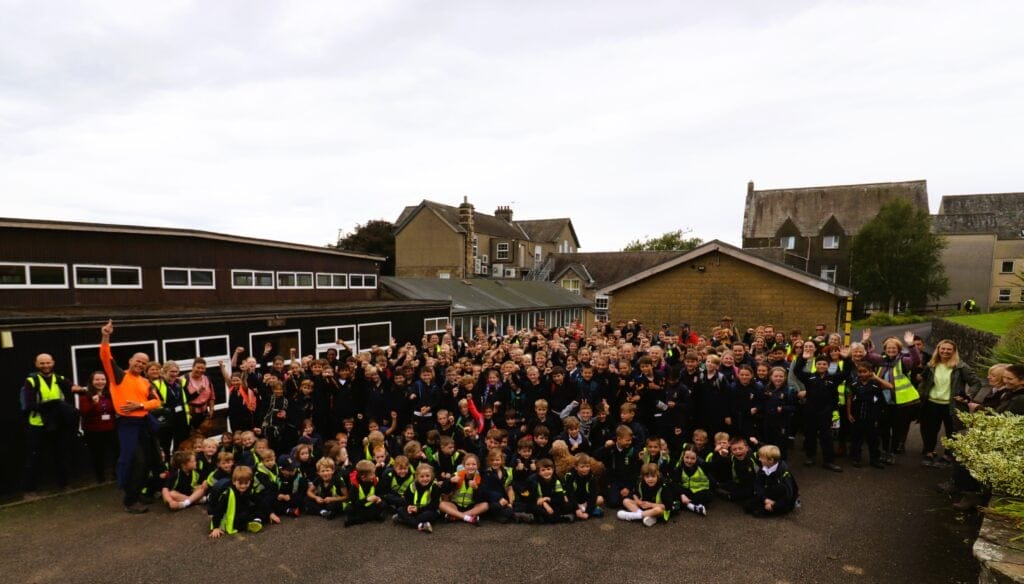
Our pupils nominate and vote for a charity of the term three times a year, and this is the charitable organisation the Prep School will support for the coming months. The Prep School aims to kick start each year with a whole school sponsored walk in aid of the chosen Michaelmas Term charity, before a whole host of different events will take place, each with kindness at the heart of the activity. The first day house charity Friday will take place before half term, our Junior choir will sing at Harvest Festival in the village church, to which children have been asked to donate food items and families will be asked to donate Christmas presents in support of the local Salvation Army campaign, as we approach the festive season. Additionally, we are proud to continue that families in the Ukraine stay at the front of our minds, with the ongoing support of Siobhan’s Trust by both Schools.
Incorporating kindness into school on a daily basis, through actions as well as special events, helps create a foundation of compassion, empathy, and positive behaviour that extends beyond the classroom. It equips children with important life skills that promote their personal growth, meaningful relationships, and positive contributions to the world around them. Below are 10 reasons why it is important children learn kindness at school:
1. **Social and Emotional Development:** Promoting the value of kindness helps children develop emotional intelligence, empathy, and understanding of others’ feelings. These skills are crucial for building positive relationships and navigating social interactions throughout life.
2. **Positive Classroom Atmosphere:** A classroom where kindness is valued and practised creates a positive and safe environment where students feel comfortable expressing themselves and engaging in learning.
3. **Improved Mental Health:** Engaging in acts of kindness has been shown to boost mental well-being and reduce stress. Teaching children to be kind can contribute to their overall emotional health and resilience.
4. **Leadership:** Kindness involves qualities like compassion, respect, and responsibility, which are important for developing leadership skills. Children who understand and practise kindness are more likely to become positive leaders in their communities.
5. **Long-Term Societal Impact:** When children grow up practising kindness, they are more likely to carry these values into adulthood, positively influencing their families, workplaces, and communities.
6. **Building Empathy:** Kindness encourages children to put themselves in others’ shoes, which helps them better understand different perspectives and experiences. This can lead to a more accepting and inclusive society.
7. **Academic Success:** A positive and supportive classroom environment, fostered through kindness education, can enhance students’ engagement with learning, leading to improved academic performance.
8. **Preparation for a Diverse World:** Kindness education helps children appreciate and respect diversity, preparing them to live and work in an increasingly interconnected and multicultural world.
9. **Prevention of Negative Behavior:** Teaching kindness fosters a culture of respect and inclusion, which can help prevent negative behaviours at school. Children who understand the impact of their actions are more likely to treat their peers with compassion and empathy. It can also help children to find peaceful solutions to disagreements through the development of effective communication and listening skills.
10. **Empowerment:** Teaching children that their actions, no matter how small, can make a positive difference empowers them to contribute positively to society and the wider world.
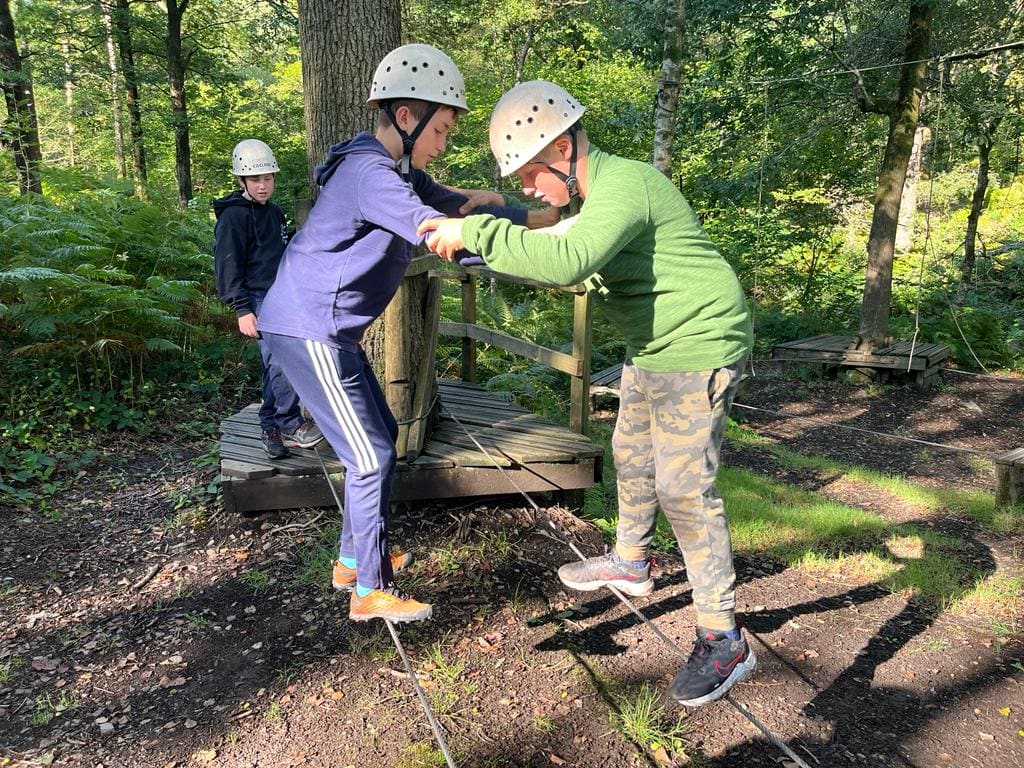
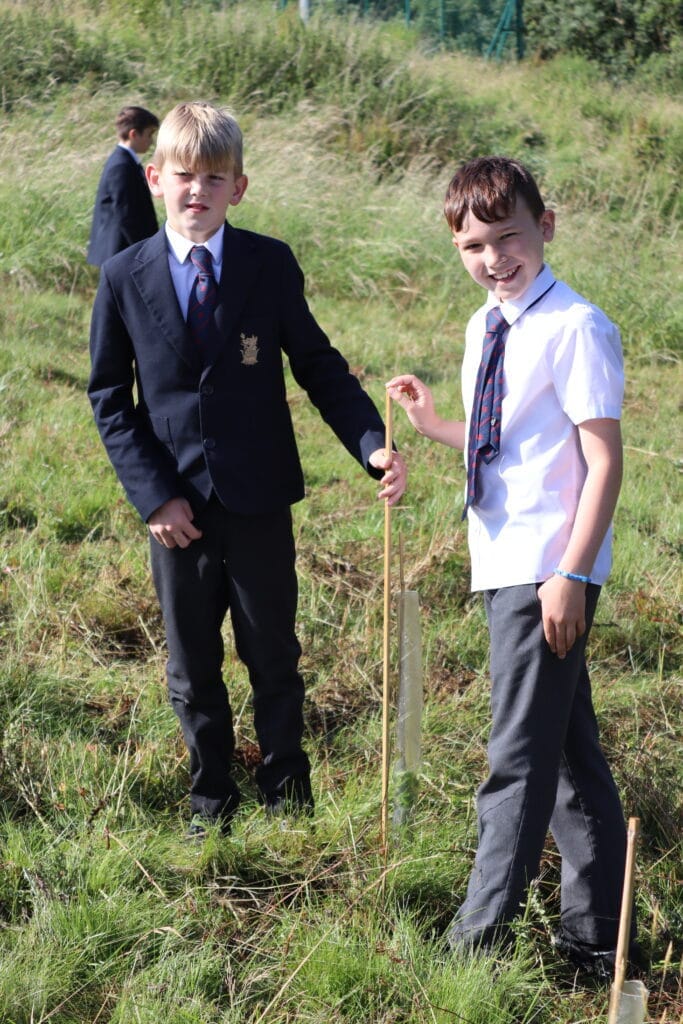
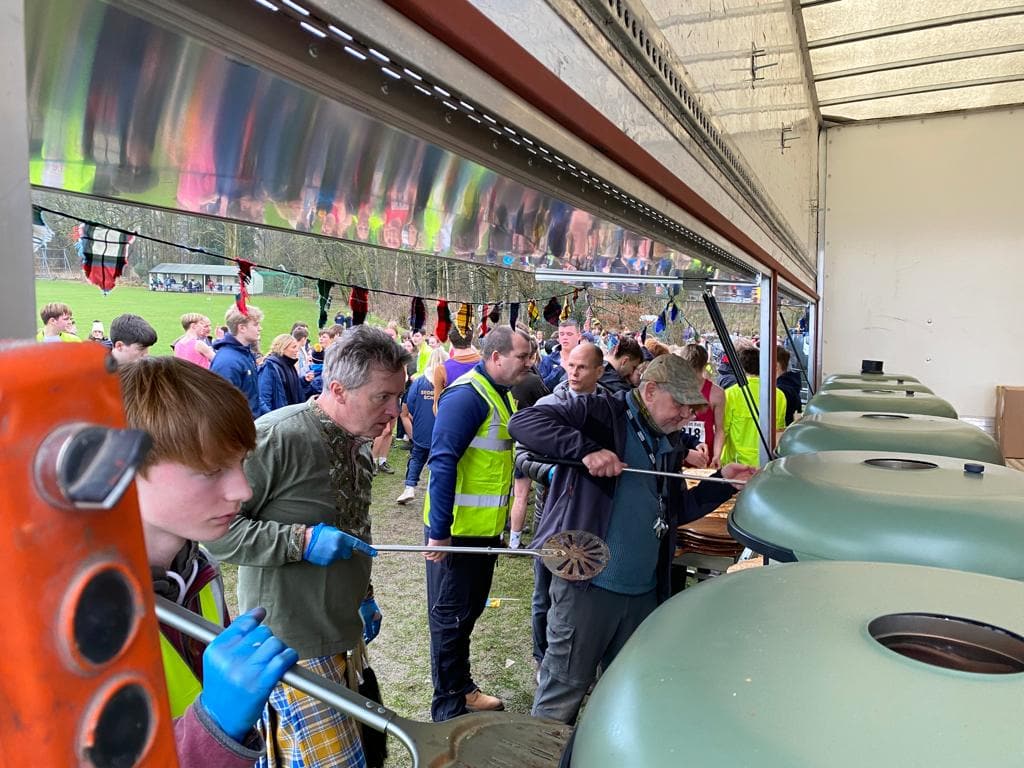
“Kindness underpins all our behaviour in school and lays the foundations for us to make hugely positive contributions to society. We take nothing for granted and do all that we can to help others.”
Taken from The Ways of the Wolf

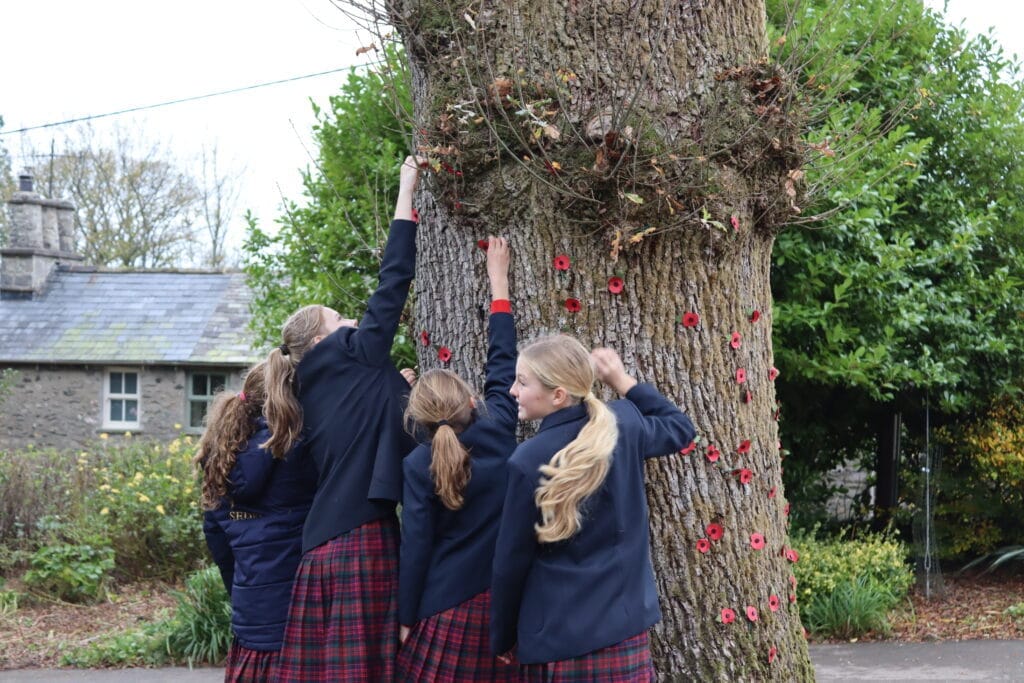

Jess came to Sedbergh from a very small Scottish prep school, St Mary’s Melrose – with about 100 pupils – in year 9. A self-described, ‘country girl’ Jess felt Sedbergh was small enough to still feel very comfortable and at home, but big enough to provide new experiences. Having completed A levels in Maths, Physics and Latin, and having been head of the School’s CCF for two years, Jess is now going into her second year of Aerospace Engineering at Queens University, Belfast. She is completely enjoying studying things that fly very, very fast and very, very high!
What university are you attending?
I’m at Queens University, Belfast which is a lot bigger than what I’m used to but it’s still small enough that I feel comfortable. I’m very much a country girl but its a nice change. I moved into Halls in the city center for my first year. It’s very different to Sedbergh life – getting used to city noise that we don’t experience in Sedbergh. It was a bit of a change but I was already very used to the idea of living with other people.
Were you more comfortable with the move to Halls than other people because you came from boarding?
Completely. Because I’ve had the whole getting used to being more self-sufficient – for instance, having to do my own laundry and not getting reminded to do these things, and making sure I’m clearing up after myself. You get very used to holding yourself accountable at boarding school because there isn’t always someone coming around to tell you to do these things. Mum isn’t going to come around and pick up your laundry… if you run out of things – you’ve run out! In comparison to some of the people I lived with [at uni], I felt so much more prepared. The transition from sixth form into uni was really easy.
Other pupils have said that boarding helped them learn to manage their timetable better. Would you agree with that?
Oh, completely! You have to realise that there are only so many hours in a day and you can’t fit everything in! But Sedbergh gives you so many opportunities and you want to do everything which was definitely a big draw for me. I wanted to do everything, so being able to manage your time and say this is the time that I have in the morning and then I’ve got lessons. Especially in sixth form – utilising your free periods carefully was a massive thing for time management. So, going to uni and having deadlines and assignments, more than I was used to here [at Sedbergh] – I found the transition simpler than I thought it would be because I already new how to block time out in my day.
What A levels did you study?
I took Maths, Physics and Latin. I did an EPQ as well – mine was on gifted and talented children in education which is a very big interest of mine. Doing the EPQ takes a lot of research and time so you’ve got to choose something that sparks joy – and that does for me. I was going to study psychology but it didn’t really fit with my other plans. I also struggle with writing essays! I’m really interested in developmental research into young children and how brain pathways develop. I found a lot of that in what I do now in aerospace [engineering] – particularly I find the way that different people combat different problems is really interesting.
When did you become interested in aerospace engineering?
I’m studying aerospace engineering at Queens University in Belfast. However, I originally applied to join the military. I was head of the CCF for two years and when I was in Year 12 I applied for Officer Selection Board but unfortunately I was rejected for medical reasons. However, I have always had a very big draw to ballistics; how things fly and why they fly. So, it was always the plan to go on and do something more engineering based anyway.
How did you become aware of aerospace engineering as a pathway?
I didn’t really! I looked into general engineering with courses such as civil engineering but as I got further into it I found that quite a lot of unis did aeronautical engineering which is more based around planes than space and rockets. Then as I was on UCAS scrolling – as you do… for hours – I discovered aerospace at Queens which has the same content as the aeronautical courses but has the option to go into a space specialisation. It gives you the option to work on things that fly very, very fast and very, very high which I found exciting! This was originally going to be my insurance option and not my firm choice but I ended up switched it around. I had a real draw to Belfast, the place, and I just got a feel that this was the right thing for me.
Has aerospace engineering course lived up to your expectations?
Completely! I absolutely adore it. First year is always hard, I think. It’s very much the catch up year. Everybody needs to be on a level playing field as you go through the course so some modules challenged me more than others. There was loads of new content but at the end of the year you all even out.
Was there anything particular about being at Sedbergh that helped you?
The opportunities that I received from Sedbergh through the whole five years definitely made me realise that you’ve got to grasp everything while you can. You’re not always going to have the opportunity to go off and do some of the amazing things that I could do here. Going into uni and having similar opportunities through sport – I really have grasped everything possible. My teachers really helped me understand time management; especially though my A levels they really helped me find a block structured that worked for me. Being able to move that into my weekly life at uni and being able to say this is what I’ve got on today, this is what I’m doing, lets not worry about tomorrow until today is over. Those are two things that really helped me.
How did your CCF participation help you?
I started doing CCF in year 10. For me, it was definitely a confidence building thing. It wasn’t that I was shy when I first started – it’s more that I’ve always known what I wanted to do but I haven’t always been the best at articulating it. Going into the CCF and being able to find my own feet and learn about leadership and learn how different leaders work has really helped me go into uni and know that it’s OK to just express yourself in different ways. For quite a lot of my time in CCF I felt like it was a bit of a strange one because not everyone does it. The people who don’t do it – I don’t think they realise how much it can mean to some people. Once you find your group of people, wherever you are in life, whether it’s my friends through rowing at university or the people in CCF here, when you find your people, it makes your life so much so much easier. A lot better. The CCF was more of a confidence building and friendship thing for me. In CCF I found a group of like-minded people; we enjoyed the challenges that it set us. It gave me so much structure and I like that.
I wasn’t a very confident person growing up but being able to stand there and say that I can lead a group of people was a really big thing.
Leaving behind your friendship group at Sedbergh, how did you approach finding “your people” at University?
When I first started uni I had to go with the mindset of not everyone is going to like you and you just have to be your own person and you’ll find the people in the end. I’ve joined a sporting team – I’ve started rowing – with so many like-minded people and that makes me so happy. It does matter – it makes a big difference.
Were the any sports or activities that you did particularly at Sedbergh?
There were quite a few! I was part of Chapel Choir and a few of the music societies. I was part of Invisible College – the physics society – and the School of Athens. I also played hockey for the 5 years that I was here. I don’t play hockey now.
What do you do to relax and de-stress during exam time?
Exam time is hard. No matter what you do you’re always going to experience stresses in your life. Exam time is definitely a time that stress will increase. You’re worried about grades and you want to do well. I am also conscious of wanting to do well – to do justice to those who have taught me. While I was at school I would look forward to getting on the hockey pitch – I was a goal keeper. Kind of just getting myself out in the fresh air. Just making sure that I kept doing the things that I loved because if I let myself fall into a rut and out of routine, I could feel myself getting more and more stressed because you get so consumed with everything that is going on. Now I’m at uni its more about getting in a boat on the water [rowing] or taking a book and reading in a coffee shop… its just the small things that give you a bit of respite from your exams.
With the benefit of hindsight would you have done anything differently?
I think I would have asked for help more. There were definitely periods of time when I was stressed and I kept on doing so much that I let myself get burnt out – which put more pressure on myself. I think if I’d spoken up and said, ‘Look I need a bit of a hand here’, it would have been a good thing.
Which of the Sedbergh HARK values do you most identify with?
Resilience. There have been some points where I’ve had to say ‘you’ve really just got to get through it’. When you experience something in your life where you don’t want to finish, don’t want to keep going, but being able to sit there and say, ‘No, take a breath, take a minute and get back in there and finish’, it’s probably the most important of the values, I think.
Sedbergh School is delighted to announce the completion of two new all-weather Tiger-Turf hockey pitches.
The opening of the highly anticipated all-weather Tiger-Turf pitches has been enthusiastically welcomed by pupils and staff. The pitches provide a much needed expansion to previously limited playing facilities; “Simply moving from one to three pitches is going to have a huge impact on the day to day experience of every child engaged in Hockey. More space, added time will have a massive impact. As the nights draw in the biggest benefit will come to light. Our state of the art, LED directional lighting will enable pupils to train at anytime of year right through the evening.” Nick Davey, Director of Hockey
Located behind the School’s state-of-the-art sports facility, the Hirst Centre, the new pitches form part of a sporting hub with additional parking – including electrical-charging points. The pitches required several years of careful design and planning; different pitch configurations were reviewed and guidance sought from the local planning authority. The School’s location in a National Park area means environmental and aesthetic concerns are of paramount importance.
To ensure optimal outcomes, the School appointed specialist sports pitch consultants Surfacing Standards Limited to undertake the initial site survey & design works before going on to lead the delivery of the construction works. The chosen design incorporates a split level development, with one synthetic pitch installed at a lower level than the other. This design, complete with associated retaining walls, helped to significantly reduce the volume of excavation works required which, in turn, reduced the environmental impact of the development.
A state-of-the-art LED sports lighting system is installed to both pitches which provides strict light spillage control to significantly reduce overspill to the surrounding areas. The final stage – the large volume of planting works which will serve to be of ecological benefit to the site – is due to be carried out during the appropriate planting season.
Children attending our recent performance summer courses were the first to try out the new facilities and they’re verdict is unanimous, “They’re brilliant”! Jason Duffy, Director of Sedbergh Courses, is enthusiastic about what the pitches offer our future hockey courses, “the new pitches have doubled our pitch space which will allow for a more impactful coaching programme. Ultimately, the children of the courses get to play the sport they love on one of the best pitches in the north of England and beyond. With great coaching, a brilliant surface in a spectacular part of the UK, children really are going to have a hockey experience that lasts a lifetime.”
In addition to Sedbergh’s own teams, the School will be able to host multiple matches and offer training facilities to regional and national teams and also provide the local community with a space to develop a Hockey team of its own.
Humility is the first – and possibly most under-estimated – of Sedbergh’s four core HARK values. Maybe that’s because people sometimes don’t have a strong understanding of what humility is and the behaviours that characterise it – or they define it with negative terms such as “freedom from pride or arrogance“.
Humility | Ambition | Resilience | Kindness
Humility is characterised by having a modest and unpretentious view of yourself – including an awareness of your limitations and imperfections and a willingness to learn from others. Humility is not about criticising yourself, self-deprecation or lack of self-confidence – common misconceptions; it’s about having a balanced view of yourself (your strengths and weaknesses) and treating others with respect and kindness. Humble individuals tend to be open-minded, receptive to feedback, and willing to put the needs and interests of others before their own.
Cultivating humility requires self-awareness and introspection.
Many cultures place a significant emphasis on humility as a virtue. For instance, Buddhism teaches the importance of humility as part of its path to enlightenment, and in China, Confucian teachings consider humility as an essential virtue for maintaining harmonious relationships and social order.
To me, humility is about knowing that there is no such thing as perfection and that you should always be trying to improve. I always say – never take yourself too seriously.
Paul Lucas, Head of Psychology and Deputy Head of Sixth Form
Why Humility Matters
While academic subjects are a core focus of Sedbergh School, we also aim to prepare our pupils for the challenges and responsibilities they will face in adulthood. Humility is one of our core values because it equips our pupils with essential life skills and attitudes that contribute to their overall success, well-being, and positive contributions to society as they transition into life after Sedbergh.
- Effective Communication and Relationships: Humble individuals are often better at active listening and understanding different viewpoints. This skill helps pupils build meaningful relationships, resolve conflicts, and collaborate effectively, which are crucial in both personal and professional life.
- Openness to Learning: Humility encourages a willingness to learn from others, accept feedback, and acknowledge that there is always room for improvement. This mindset helps pupils adapt to new situations, acquire new skills, and stay curious and open-minded as they face new challenges in adulthood.
- Adaptability and Resilience: Humble individuals are better equipped to handle setbacks and failures. They are more likely to view challenges as opportunities for growth rather than as personal failures, leading to greater resilience and adaptability in the face of adversity.
- Conflict Resolution: Humility promotes a non-confrontational approach to disagreements. Pupils who have learned to be humble are more likely to seek compromise, consider others’ perspectives, and find peaceful solutions to conflicts.
- Effective Leadership: Humble leaders are often more respected and trusted by their peers and subordinates. Developing humility at School can lay the foundation for future leadership roles, as humble leaders are more likely to prioritize the needs of their team, share credit, and foster a positive work environment.
- Empathy and Compassion: Humility is closely tied to empathy and compassion. Pupils who develop humility are more likely to consider the feelings and needs of others, leading to more positive and supportive interpersonal relationships in adulthood.
- Self-Reflection and Self-Improvement: Humble individuals engage in self-reflection and recognize their own strengths and weaknesses. This self-awareness enables pupils to identify areas for self-improvement and take proactive steps to become better versions of themselves.
- Success and Recognition: Ironically, humble individuals often find more success and recognition in their endeavours. By focusing on the task at hand rather than seeking personal glory, pupils who have learned humility are more likely to achieve their goals and gain recognition for their achievements.
Humility in action
Below are some behaviours that typify humility in action:
- Active listening: A humble individual actively listens to others, values their opinions, and is open to learning from different perspectives. They don’t assume they have all the answers and are willing to consider new ideas.
- Admitting mistakes: When someone with humility makes a mistake, they take responsibility for it rather than shifting blame. They are willing to apologise and make amends, demonstrating their willingness to learn and grow.
- Giving Credit to Others: Humble individuals are quick to acknowledge the contributions of others. They don’t seek the spotlight for themselves but instead celebrate the achievements and efforts of their team or collaborators.
- Accepting Feedback: Humble people are receptive to constructive criticism and feedback. They see feedback as an opportunity to improve, rather than as a personal attack.
- Helping Others: Someone who embodies humility is often willing to help others without seeking recognition or praise. They offer assistance out of genuine care and concern for others’ well-being.
- Putting Others First: Humble individuals prioritize the needs and interests of others. They don’t constantly focus on their own desires or ambitions but are willing to make sacrifices for the greater good.
- Remaining Teachable: Even when they achieve success, humble individuals maintain a sense of curiosity and a desire to learn. They understand that there is always more to discover and explore.
- Showing Gratitude: Humble people express gratitude for the opportunities they’ve been given and the people who have supported them along the way. They don’t take things for granted.
- Ego Control: Humility involves keeping one’s ego in check. Humble individuals don’t feel the need to boast or flaunt their accomplishments, and they don’t let success inflate their sense of self-importance.
- Approachability: Someone with humility is approachable and easy to talk to. They don’t create an air of superiority that alienates others but instead make others feel valued and respected.
- Accepting Limitations: Humble individuals recognize their own limitations and are comfortable seeking help when needed. They don’t pretend to have expertise in areas where they lack knowledge.
- Tolerance for Differences: Humble people are respectful and tolerant of different backgrounds, beliefs, and viewpoints. They don’t impose their own opinions on others but engage in thoughtful and considerate conversations.
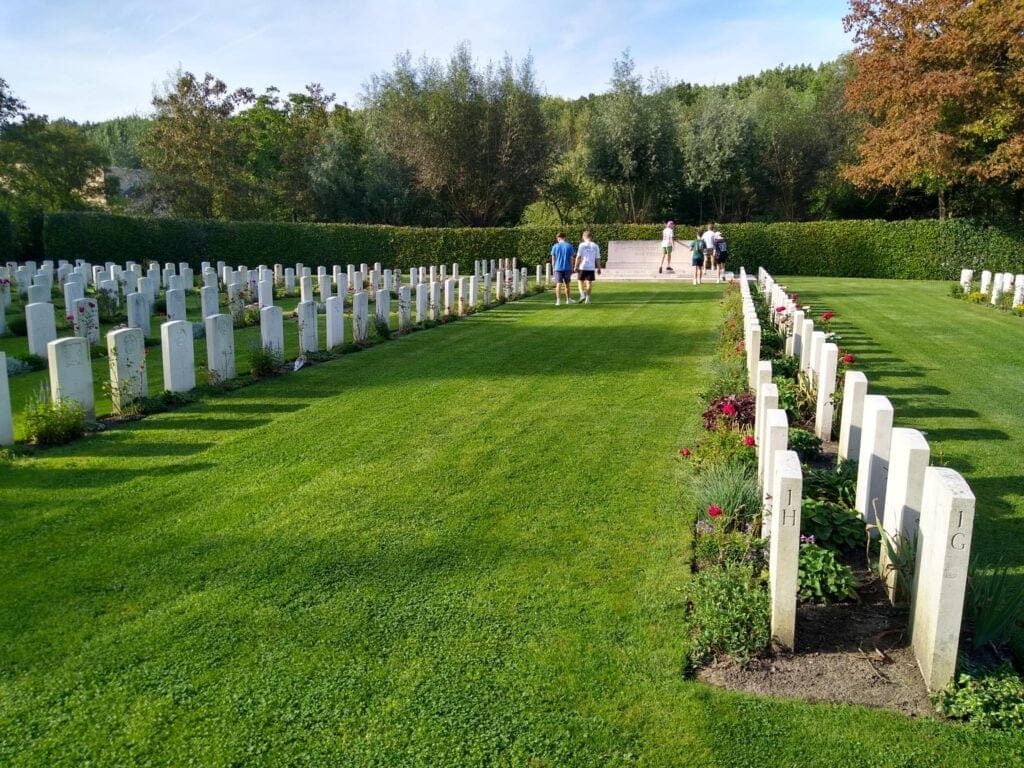
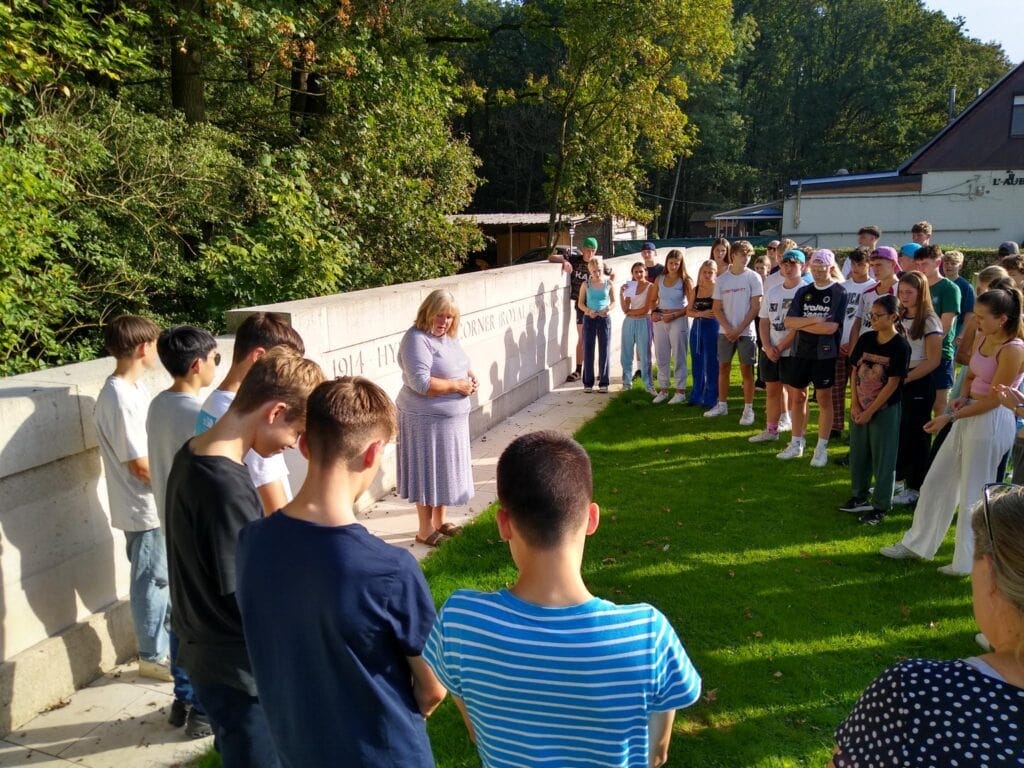
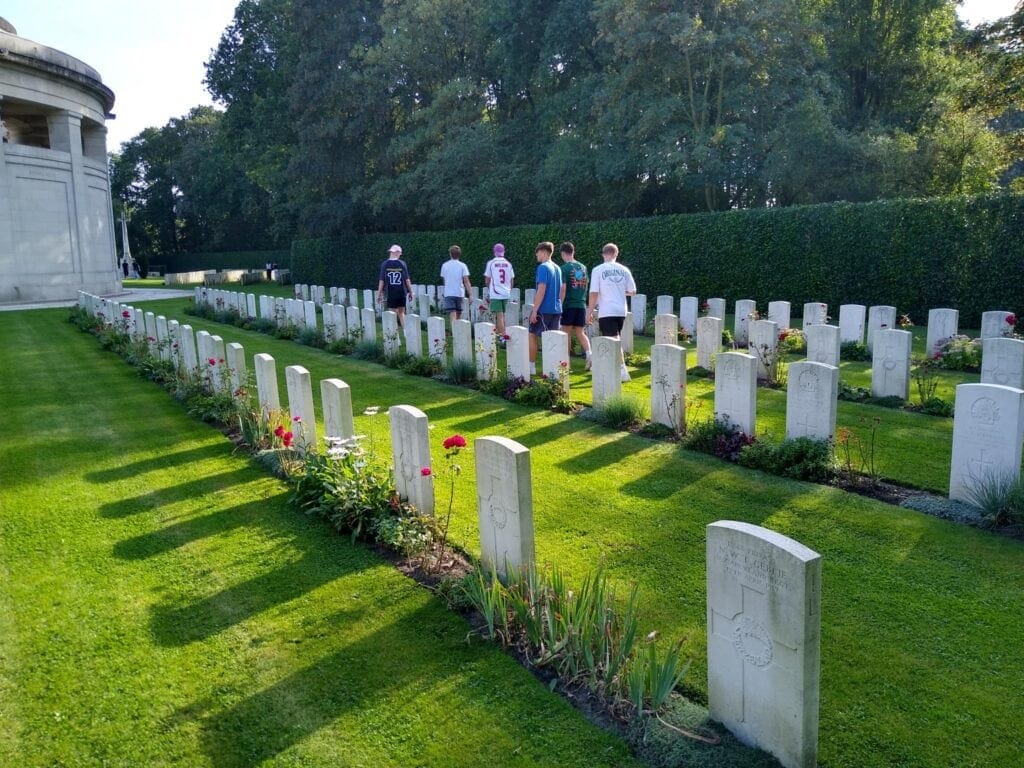
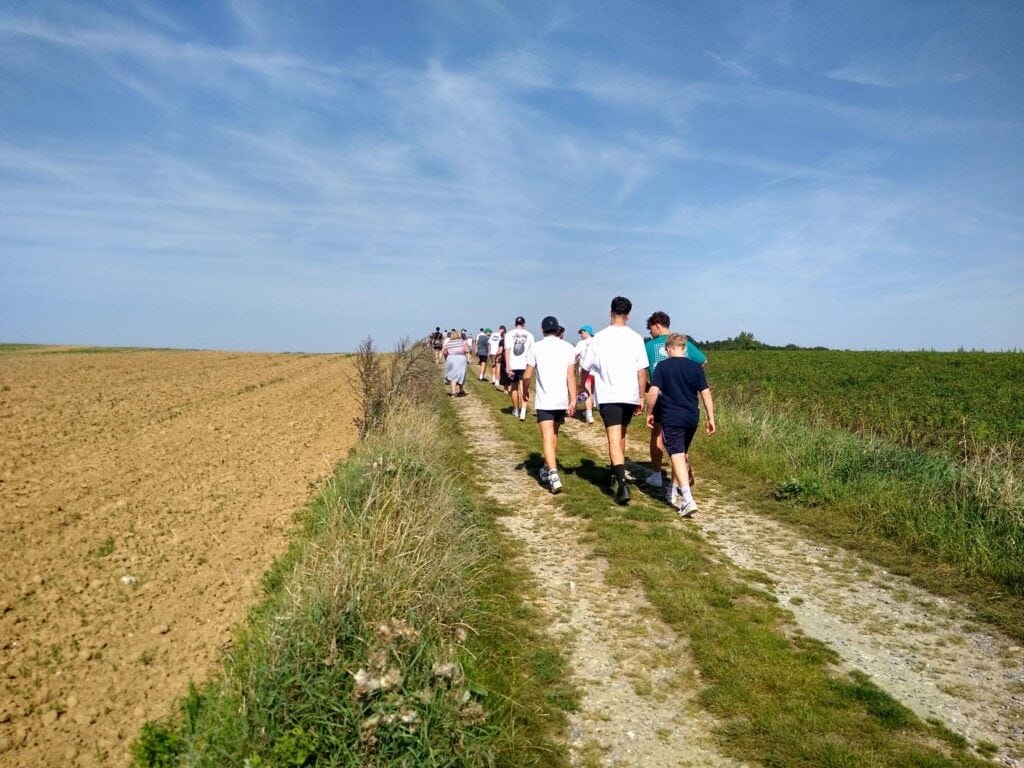
Our Year 11 pupils have been on a thought-provoking trip to visit battlefields in Belgium and Ypres – including Hill 60, a tactically significant small hill on the edge of the Ypres that is now a memorial site. Pupils also visit Langemark and Zonnebehke, located at the centre of the Third Battle of Ypres/Battle of Passchendaele.
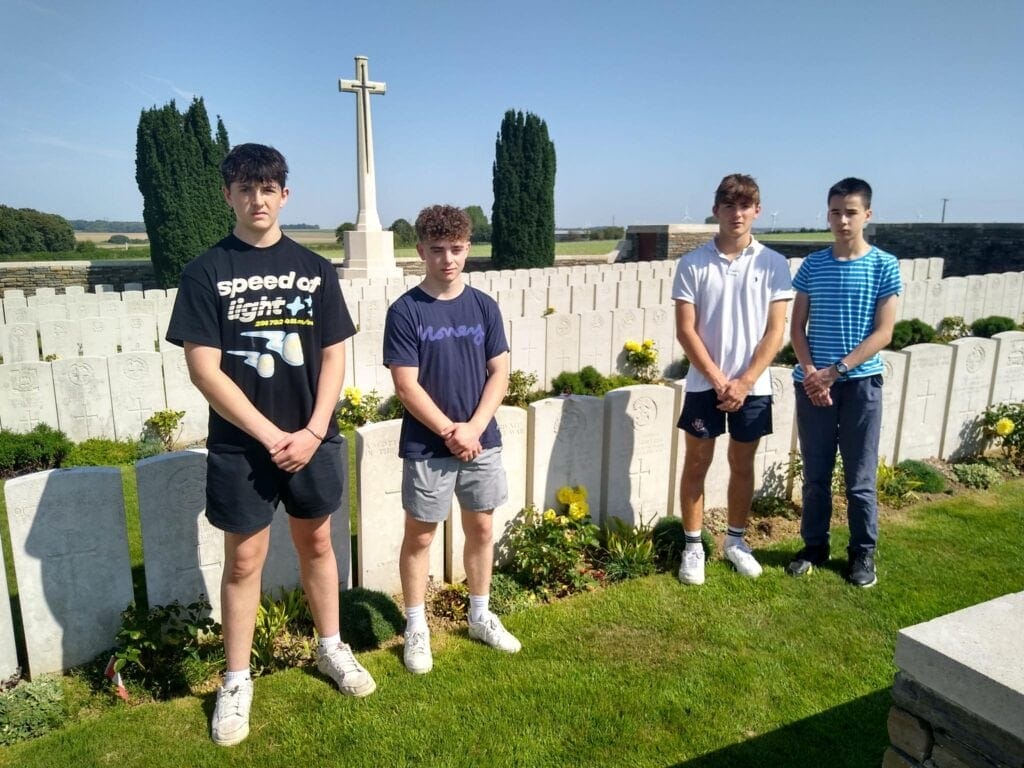
A highlight of the trip is that pupils learn about the Old Sedberghians that lost their lives in WWI and visit their graves to pay their respects.
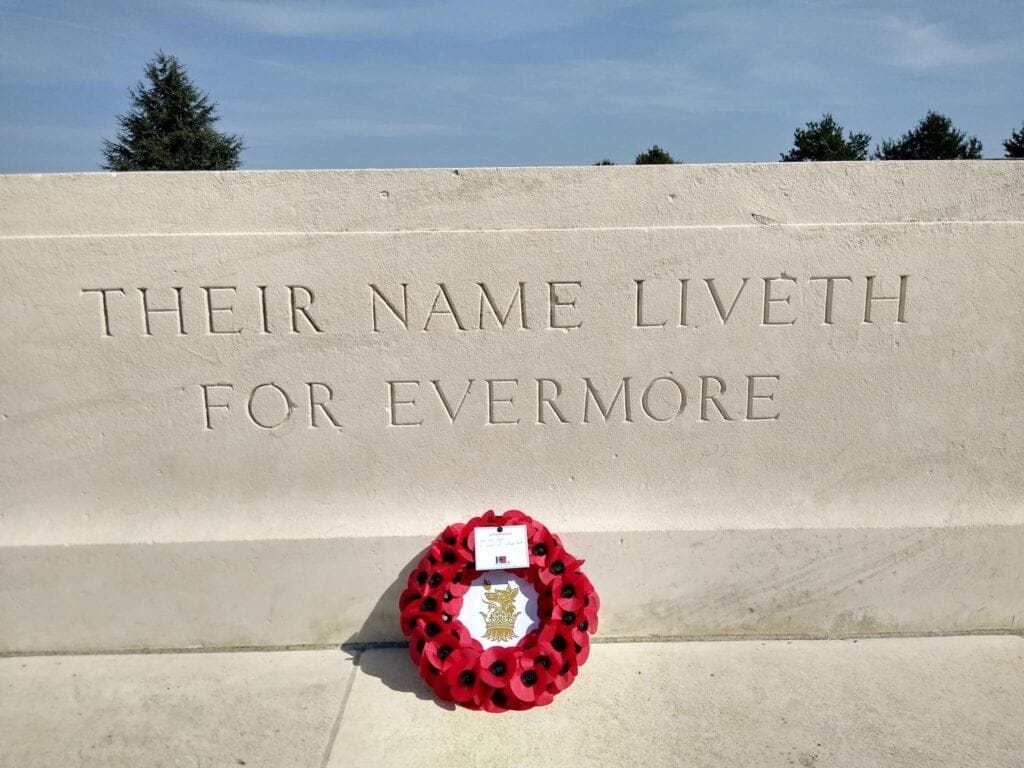
We will remember them.
Day 1: Friday
After landing in Brussels we went straight to the Ploegsteert Memorial to the Missing and then on to Messines Peace Village.
Day 2: Saturday
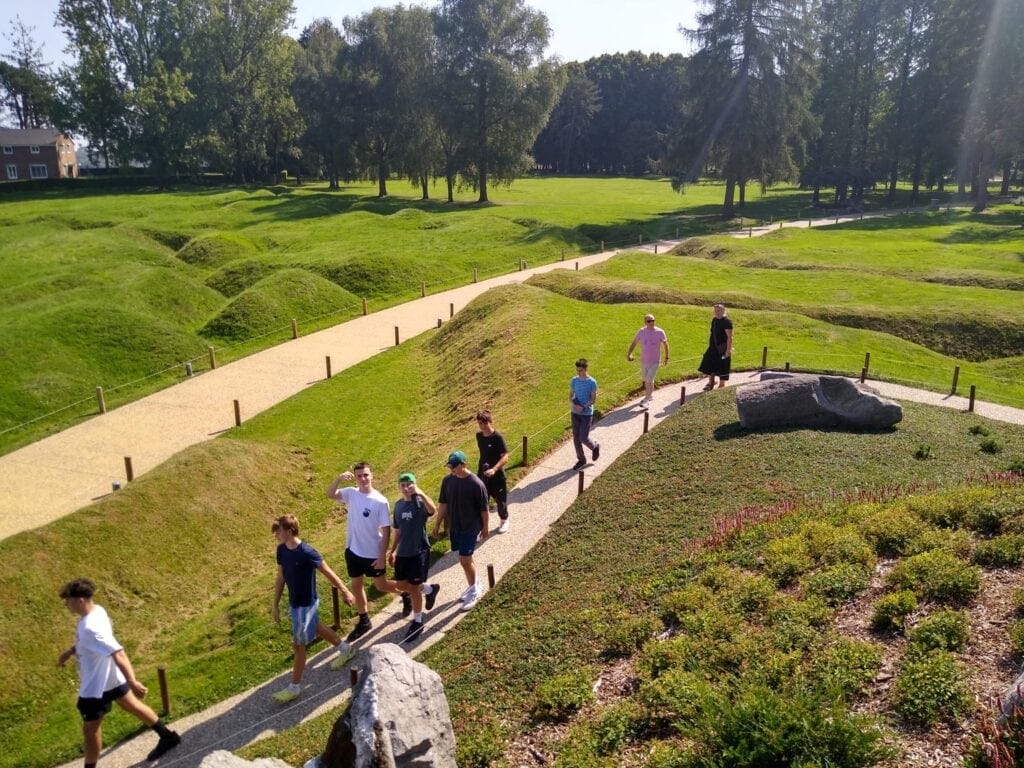
Our full itinerary started with a visit to Newfoundland Memorial Park of Beaumont-Hamel, where the largely undisturbed trench lines evoke a vivid impression of the courage, resilience and self-sacrifice of the men who fought there during the Battle of the Somme.
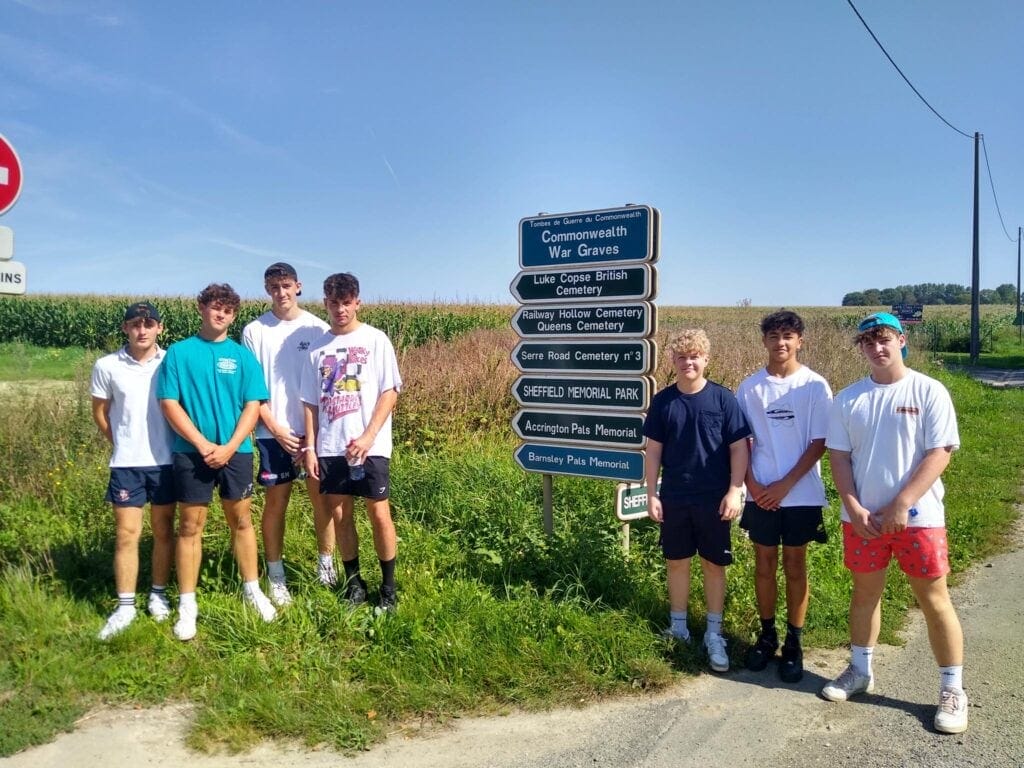
From there we went on to the Serre and Queens Cemetery, Lochnagar Mine Crater Memorial and Thiepval Memorial and Visitors Centre.
Day 3: Sunday
We began the day with a visit to the WW1 battle area known as Hill 60 – so named on British military maps because the contoured height of the ground was marked at 60 metres above sea level. The Memorial Site also has the remains of several concrete bunkers and craters from the 1915/16 and 1917 battles. From there we went on to Essex Farm where 1,200 WW1 servicemen are buried or commemorated. Of these burials 103 are not identified.
We stopped briefly at the Langemark German Cemetery on our way to Tyne Cot Cemetery & Memorial to the Missing. Tyne Cot Tyne Cot is the resting place of 11,962 soldiers of the Commonwealth Forces and is the largest Commonwealth war cemetery in the world in terms of burials. Next we had a tour of Flanders Field Museum. Our day finished with the Last Post Ceremony which takes place every evening at the Menin Gate – one of the main roads out of Ypres towards the Front Line.
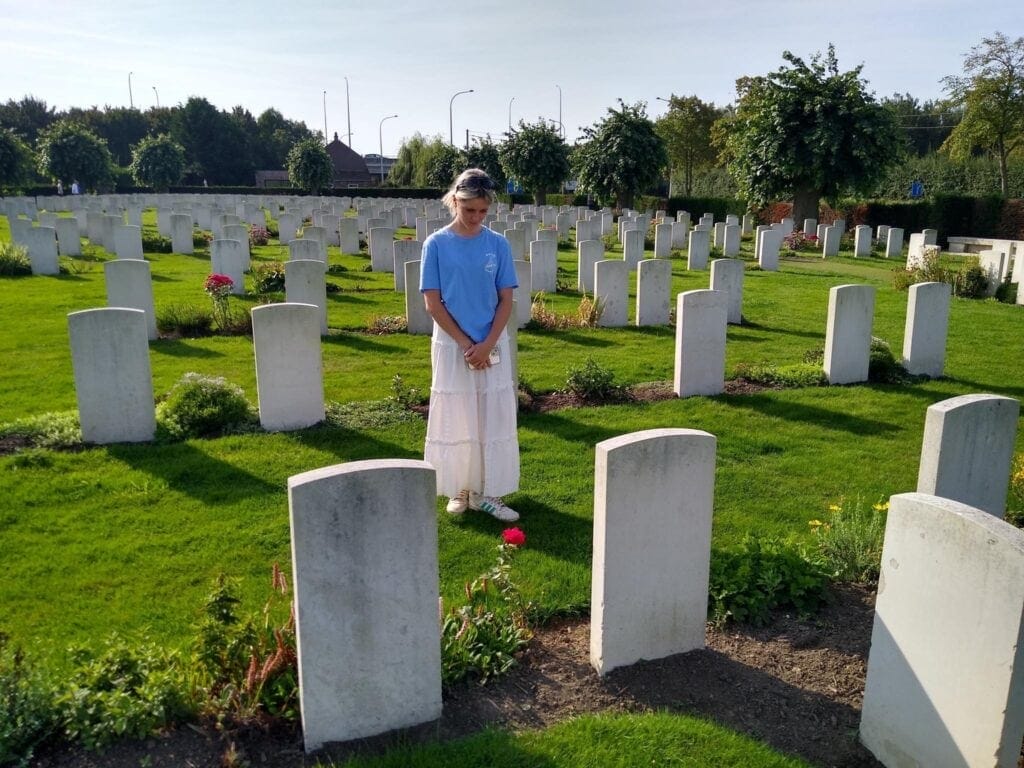
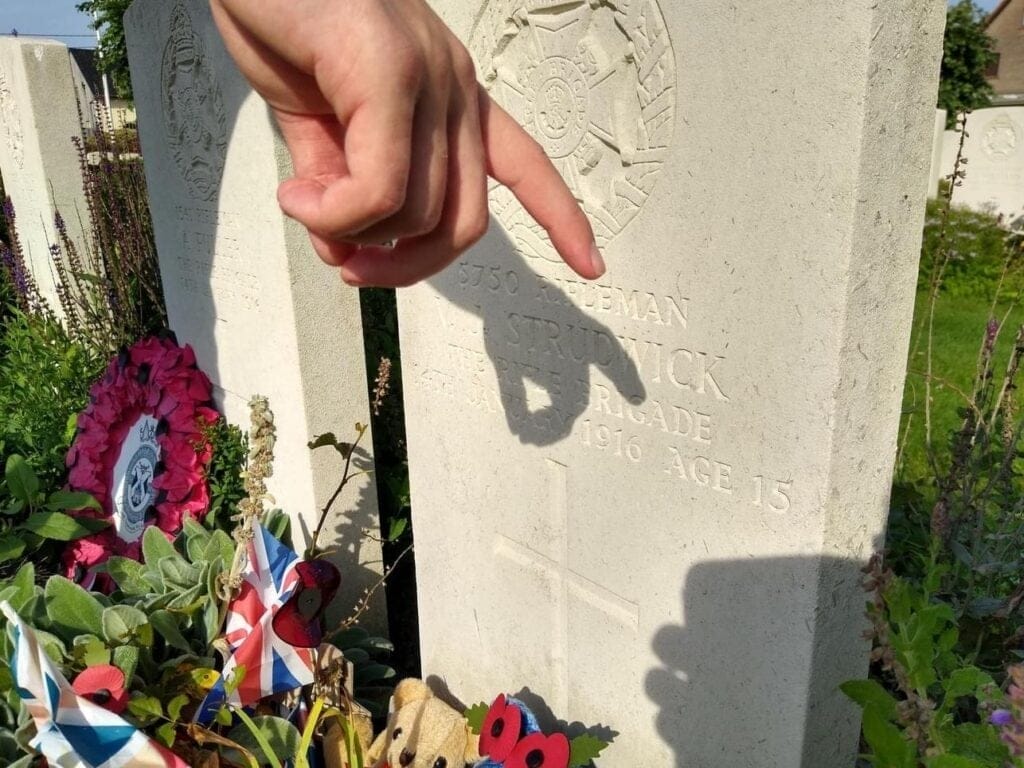
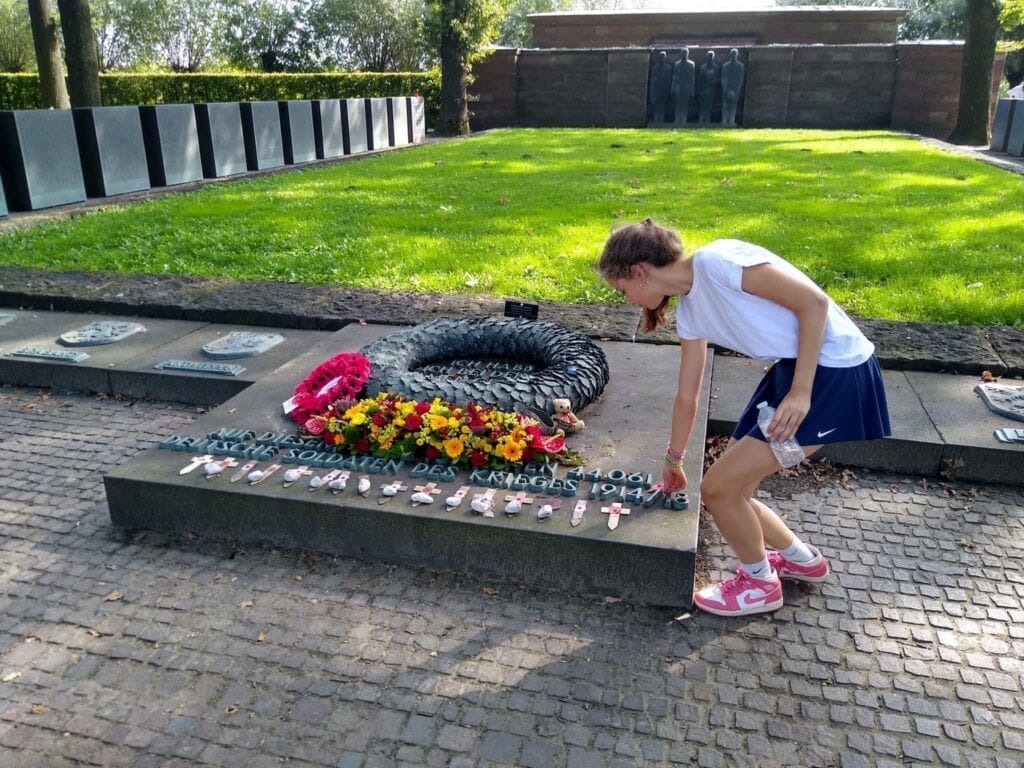
Day 4: Monday
Travelling back to Sedbergh…

This summer, has your child got used to extended screen time, fun holiday excursions and sleep-ins? They’re not alone. Heading back to school can be a big shock to a child’s system! Our teachers say that the three biggest challenges faced in the classroom on the return to school are:
- Organisation
- Tiredness
- Concentration
The good news is that with a little bit of preparation you can make the transition smoother. During the final weekend before School is back in full-swing, and in the first week back, it’s a great idea to get children back into good routines in the morning, evening and at bedtime. We also recommend supporting children to take age-appropriate ownership for their school bags, equipment and sports kit to help increase their independence and responsibility.
Read on a for a full list of suggestions that can help in the next few days:
Revise some learning from last year
There is information that estimates that over the long summer break students may forget up to 20% of their previous learning and, after many weeks of watching TV, using devices and enjoying extra freedom, children can struggle to settle and concentrate in classes.
Luckily, its not too difficult to turn these issues around so that your children are prepared and ready to shine. In the last few days before School resumes, you can plan to do some reading and a short piece of writing – perhaps a first person diary entry about the favourite thing they did over the break?
In the first week back really encourage the chidlren to get back into reading every night if this has reduced over the holidays and don’t forget to quiz on any books you have read this summer!
Adjust bedtimes
During school holidays, when children can sleep in, bedtimes might become later and even variable. However, when school starts students need to be ready early every day. So, they need good amounts of quality sleep and that means a regular bedtime, one that allows them to get enough sleep when they need to get up early.
Establish the school morning routine
Want to avoid the frustration of sleepy children forgetting what they need to do each day to get ready for school – or just taking forever to get ready? This is another thing that you can practise! You don’t need to get into uniform, but if your children have lost track of their school routine, make a checklist of what is needed each day, this could even feature photos of items if your child is young. Whatever works for your family.
Make sure that they have everything they need
Does your child’s uniform fit? Can they find their pencil case? Has their favourite pencil gone missing? Now is the time to get everything organised and as they get everything ready, children will start adjusting to the idea of being back in school. They will feel more excited, comfortable and prepared if they know that they have everything that they need and help organise this and pack their bags.
See you on Monday for the start of term!
Like a lot of organisations, Sedbergh is tackling the enormous task of keeping everyone happy with their IT; driving transformation and data modernisation whilst battling with legacy technology and resource constraints. As Head of IT – and a past teacher himself – Matt McVoy, is also driven by the knowledge that digitally confident pupils are inspired by ‘digitally confident teachers, who are inspired by a digitally confident IT department who aren’t constantly sticking plasters on legacy infrastructure to keep it going’. So, transforming the School’s IT is a priceless investment in the future of our pupils.
‘Schools have a huge responsibility to bear when it comes to preparing children for life beyond school. We must be sure that our children are ready for whatever life throws at them and that requires agility, flexibility, freshness of mind and openness to listen. Digital readiness, confidence and skills absolutely play a part in this and can only be enabled by our own digital transformation.’
Matt McVoy
HPE Greenlake interviewed Matt to discuss the challenges specific to a School and how HPE Greenlake’s flexible, hybrid cloud strategy addresses Sedbergh’s needs relating to end-user security and cyber-defence, scalability, integration with existing infrastructure, and inflation-resistant cost. It’s a brilliant case study and fabulous interview. Dialogue relating to the decision to adopt HPE Greenlake for Sedbergh School is repeated below and the full article and interview can be watched on Hewlett Packard Enterprise’s blog.
Why have you chosen HPE GreenLake for Sedbergh School?
‘There are many reasons. The school was keen to transform in terms of infrastructure so that we could deliver the best possible learning, teaching, living, welfare and pastoral experiences for our pupils. We were also looking to stop the drain on resources from managing the day-to-day demands of IT. The school wanted to consolidate our technology to avoid the rinse-and-repeat of the past when it comes to capital expenditure on systems that are either unproven or have a limited shelf-life. HPE GreenLake does all of these things.
We’re always conscious of costs, and cost predictability, so the flexible 5-year term and ‘no surprises’ fixed pricing bands of HPE GreenLake are excellent when spreading risk. This is particularly important during periods of uncertainty – as is the case with inflation and was the case with Covid-19. I also wanted a solution that can flex on demand, one that scales and evolves with the school. HPE GreenLake provides us with the transparency, predictability and reliability we need. The flexibility and scalability of HPE’s solutions don’t scream with arrogance. They don’t state, this is the solution for you that will look after your organisation for 3, 4, 5 years, what they say is, this is the solution for you today and we’re going to be alongside for you for whatever is thrown at you as you continue to expand.
HPE’s commitment to the circular economy was extremely attractive. We’re now able to consolidate our technology assets with one, future-proofed platform. That saves management time, so our IT professionals can now concentrate on doing more of what they do best. There’s also the reassurance we’re able to give our parents, that their children’s online activities are subject to the most robust of guardrails. Last but not least, how HPE GreenLake is able to play an informative role in how our pupils learn to collaborate – before they face the realities of the wider working world.
It is also important to note that the day-to-day management of IT is shifting from the very technical management of heritage infrastructure to that of user confidence, certainly in a school setting. It is vital we allocate time to increasing digital confidence within the team. I have an incredibly talented group of IT professionals at Sedbergh School that are willing to move away from that heritage network infrastructure management and seeing the benefits of having upskilled, digitally confident colleagues in the classroom because it makes a difference to our learners. If our students are inspired by digitally confident teachers, who are inspired by a digitally confident IT department who aren’t constantly sticking plasters on legacy infrastructure to keep it going, then great.
HPE GreenLake enables this, empowering our colleagues to provide our students with a brighter, more agile future.
HPE is committed to supporting education organisations to transform the learning experience and ultimately, children’s futures. Working with you to accelerate your digital strategy, we provide you with a transformation solution suite that fulfils your objectives today and collaborate with you as your organisation evolves.